


Getting That Perfect Golden Crust (Without Drying Out Your Bread)
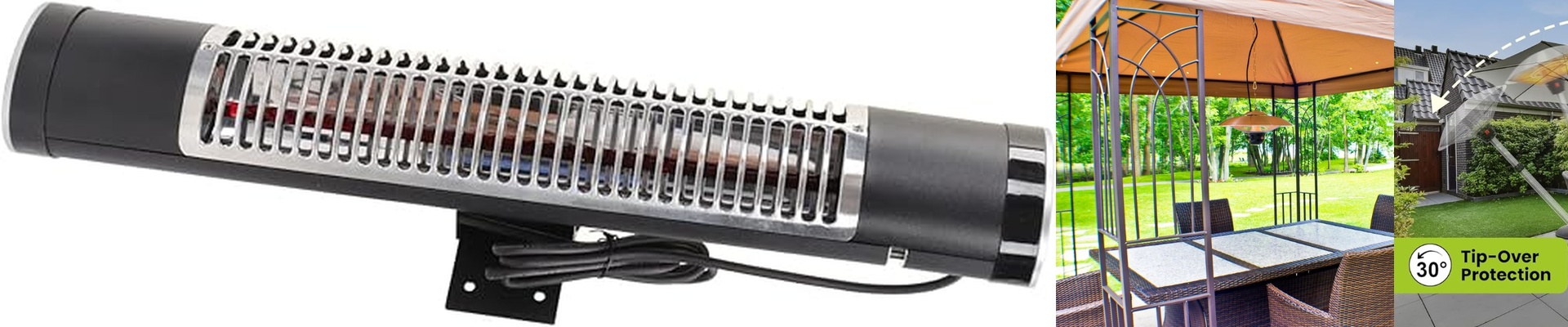
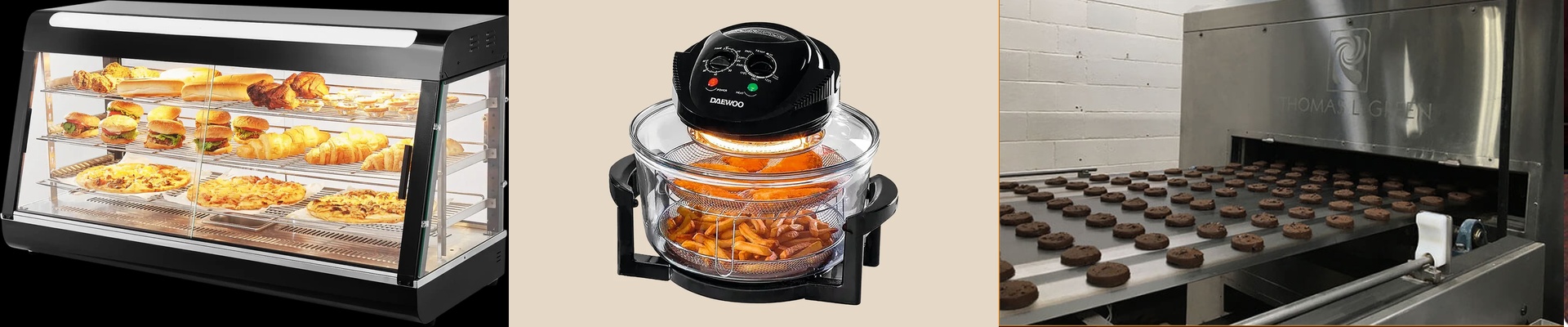
Ever wonder why some loaves have that gorgeous, deep gold crust but the inside stays soft and fluffy? It all comes down to the Maillard reaction. The trick is hitting the surface with a massive burst of heat—fast—without cooking the life out of the center. Standard convection ovens are just too slow for this. They waste time heating up the air first, which usually means by the time the crust looks right, the inside is overbaked. That’s why we use short-wave infrared (IR) heating coils. They don’t mess around with the air; they hit the dough directly. The secret is in the response time. We build our Replacement coils to react almost instantly. The second the controller kicks in, the filament hits peak temperature. This is huge because it means your bread isn’t just sitting in a warm box waiting for the heat to catch up. No more collapsed loaves or dry, crumbly interiors. We use high-density quartz envelopes to keep that heat focused. It creates a tight beam that only penetrates a few millimeters, giving you that perfect sear on the outside while leaving the inside alone. A few things to keep in mind on the technical side. There’s always a bit of a tug-of-war between wattage and the length of the tube. If you cram high wattage into a short space, you get an intense heat zone, but it puts a lot of stress on your connectors. To stop them from burning out, we use reinforced terminals. But here’s a tip:check your wiring gaugebefore you swap these in. If your leads are too thin, you’ll lose efficiency through voltage drop, and in the worst-case scenario, you might actually melt your housing. Not a great look. Installing and keeping them running These are simple drop-in replacements. Just pull the old coil, wire it up, and tweak your PID controller. One heads-up: IR lamps run incredibly hot. Over time, the quartz can get brittle, especially if you’re using harsh cleaning chemicals or if there’s a lot of grease buildup. Stick to a dry-wipe cleaning routine to avoid “thermal shock” (basically, don’t shock the glass with temperature swings). Keep an eye on the ends of the tube. If you start seeing them darken, the filament is getting tired. Swap it out then—don’t wait for it to snap in the middle of a big production run. It’s much easier to replace a coil on a Tuesday morning than it is during a rush.