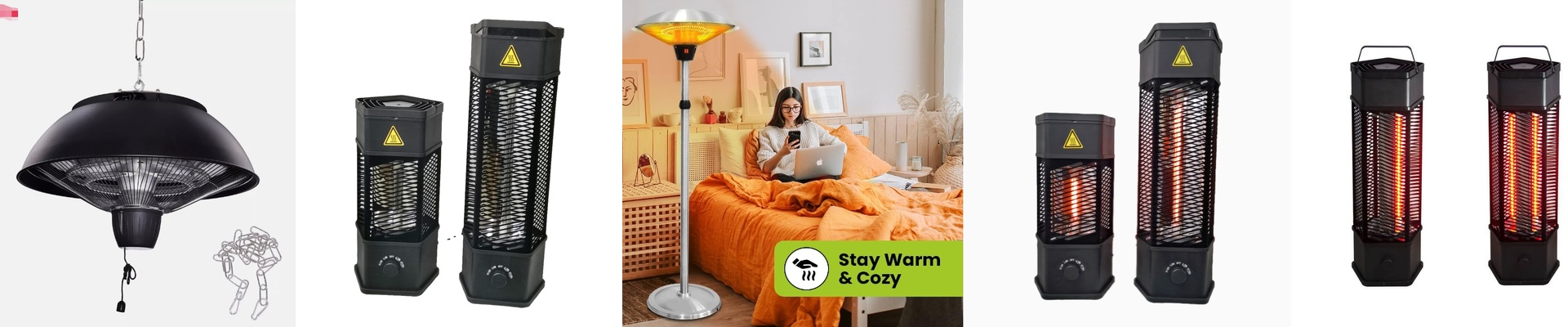

For seniors, a cold room isn’t just uncomfortable. It can stiffen joints, disrupt sleep, and slow circulation. When warmth is needed, it has to show up immediately and stay steady. That’s why we put every infrared elderly room heater through a full-power aging burn-in before it leaves our floor.
What matters under the hood
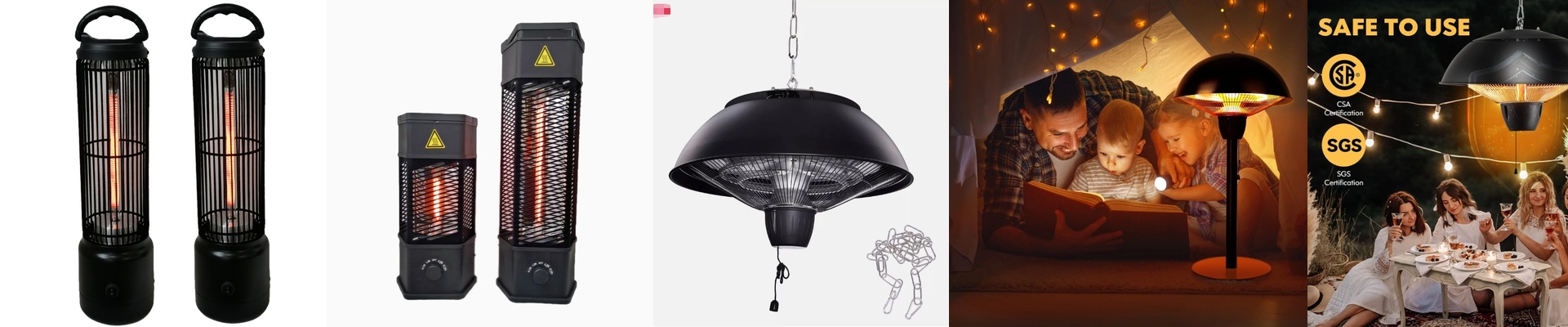
We lean on radiant warmth, driven by an infrared quartz tube element. It responds quickly and spreads heat evenly. You get heat within seconds—no waiting around when someone needs it now.
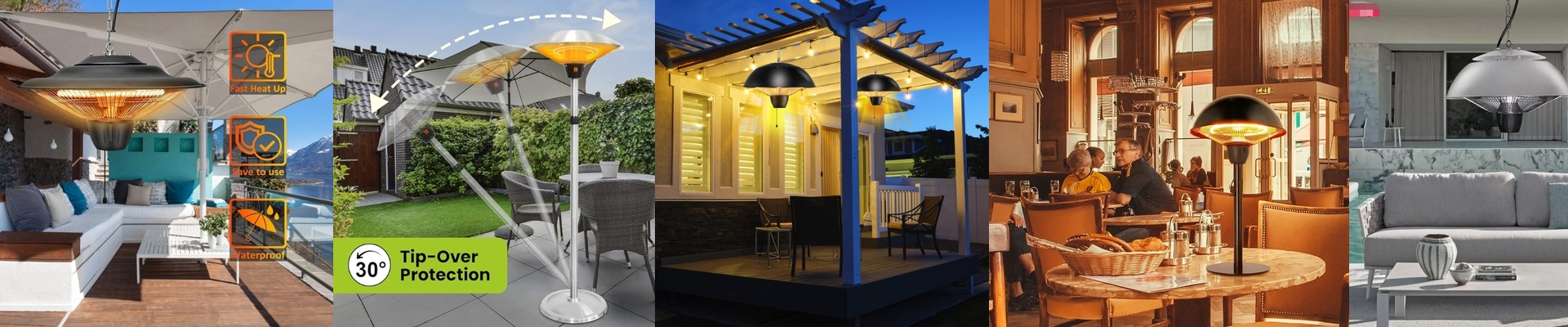
The unit is built for low-maintenance running, with a straightforward thermostat to keep comfort consistent and a tip-over protection switch for peace of mind. It runs on standard household voltage, draws power efficiently for room-level heating, and delivers a gentle, dry heat that many find easier on the airways than forced-air systems.
Why the burn-in isn’t just paperwork
The aging test is real work, not a checkbox. We run each unit at full load for a full cycle, then check connections, verify element stability, and confirm thermostat behavior. The point is to catch early-life issues before the customer ever opens the box.
In the field, that translates to fewer surprises and fewer service calls. It means the heater behaves predictably when it matters most—on cold mornings and long evenings when comfort is the whole point. For an elderly household, that reliability keeps routines steady, sleep better, and the room feeling welcoming instead of worrying.
What you need to keep in mind
Infrared warmth works best within its direct comfort zone, so place the heater where the person sits most of the time. Keep clearance from curtains and furniture, and never block the air intake or outlet.
These heaters are designed for indoor use in dry rooms; for damp areas, pick a model rated for that environment. If you want comfort that feels immediate and dependable, start with a heater that has already proven itself at full power.