On the blow molding line, you don’t get to argue with the preform. If the temperature profile isn’t right across the body and neck, the stretch goes sideways—wall thickness drifts, hazing shows up, stress marks follow. You can run the heater and see the power readings look good, but repeatability can still slip away. The problem usually isn’t intent. It’s control, stability, and how the heat actually couples into the PET. We built infrared preheating for one reason: get a repeatable temperature profile into the preform quickly, and hold it steady cycle after cycle. This isn’t window dressing. It’s the first step of stretch blow molding, and it sets the ceiling on your uptime and yield.
What actually matters, technically
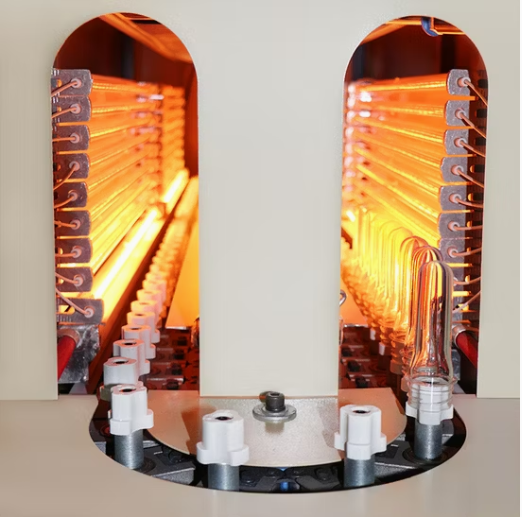
Infrared preheating for PET is a precision heat-transfer job, not a brute-force one. You have to match the emitter spectrum to the material, the power density to the dwell time, and the mechanical interface to the machine.
- **Spectrum and response.**PET absorbs strongly in the near-infrared band, which is why short-wave infrared (tungsten-halogen) and NIR emitters heat quickly and cleanly. We tune filament temperature and reflector geometry so the energy lands where the preform can take it—minimizing surface scorch and keeping the temperature spread tight from preform to preform.
- **Power density and dwell time.**In a rotary heating tunnel, the preform rotates through a fixed heating window. You need enough power density to get the PET through the glass transition fast, but not so much that the surface overheats. We match lamp wattage and reflector focal pattern to line speed and preform wall thickness so the heating curve stays inside the process window.
- **Mechanical and electrical interface.**The lamp has to drop in and lock up like the OEM part. That means the correct base type (commonly R7s), arc length, overall length, and terminal orientation. Reflector shape, mounting brackets, and connectors must align with the existing holders and wiring. We build to the same dimensional envelopes so you can replace without modifying the machine.
- **Temperature measurement and control.**Repeatability starts with sensing. We provide a heater configuration that supports the machine’s pyrometer or non-contact sensor strategy, so the control loop sees what matters and adjusts in time for the next preform.
- **Thermal stability and life.**We design for stable output over time. In practice, that means consistent filament geometry, controlled fill gas, and reflector materials that keep their shape and reflectivity. Expect stable output over thousands of operating hours, with drift low enough that your process window doesn’t tighten.
Why this works where it counts
You’re running stretch blow molding, and preform heating has to keep up with the machine’s cycle. If the heat arrives late, the bottle is late. If the heat is uneven, the wall is uneven. Our infrared preheating is built around the reality of the blow molder.
- **Direct compatibility with the major platforms.**We match the geometry and electrical interface for blow molding machines from Sidel, Krones, SIPA, Husky, SACMI, and Nissei ASB. Swap the lamp, swap the reflector, and the line runs the same—no re-engineering holders, no custom brackets, no guesswork.
- **Faster stabilization, fewer rejects.**When the heating profile stabilizes quickly after startup, you see fewer off-spec bottles during the run. The preform hits target temperature with less overshoot and less variation, which translates into consistent stretch and fewer thickness excursions.
- **Energy use that makes sense.**Infrared heats the preform directly, not the surrounding air. That means less wasted heat in the tunnel and a smaller thermal load on the machine. You can reduce energy draw without sacrificing cycle time.
- **Longer service life, fewer stops.**In a 24/7 plant, lamp changes aren’t a scheduled art project—they’re unplanned downtime. Stable lamp life means fewer emergency changes and fewer interruptions to the schedule.
- **Less heat bleed, better control.**Reflector geometry and thermal isolation reduce heat spill onto neighboring preforms and machine components. Less thermal crosstalk means each preform heats independently and predictably.
The details you need to get right
No heating upgrade is plug-and-play unless you treat it like engineering. Here’s what to verify before you change out the lamps.
- **Check the machine spec.**Confirm voltage, wattage, base type, arc length, and overall length. A mismatch in length or terminal orientation won’t just fail—it can damage the holder and create a safety issue.
- **Match the reflector to the heating zone.**Reflector focal patterns aren’t universal. A narrow spot pattern and a wide flood pattern give different temperature distributions. Use the pattern intended for your preform geometry and dwell time.
- **Expect a thermal soak time.**Infrared emitters reach stable output temperature quickly, but the reflector and holder still heat up. Plan for a short stabilization window after startup before you expect full repeatability.
- **Keep the optics clean.**Dust, oil, and bottle residue on the reflector and lamp surface cut output and create hot spots. Schedule cleaning with your preventive maintenance, and handle lamps with clean gloves to avoid fingerprints that bake on.
- **Watch the ambient.**Hot machines get hotter. If the tunnel temperature is high, the lamp runs hotter and the control loop works harder. Make sure cooling and ventilation around the heater are adequate, and keep airflow consistent. If you want the line to run the way it was designed, start at the preform. Hit the temperature profile, and the rest of the process has a chance to behave. If you’re replacing lamps or upgrading the heating section, specify the interface, the power, and the geometry exactly. Then run the numbers, run the bottles, and let the cycle tell you the truth.
ব্লো মোল্ডিং লাইনটিতে প্রিফর্মের সঙ্গে বিতর্ক করার সুযোগ থাকে না। যদি বডি ও নেক জুড়ে তাপমাত্রার প্রোফাইল সঠিক না হয়, তাহলে স্ট্রেচ সঠিক পথে হয় না—দেয়ালের পুরুত্ব বিচলিত হয়, হেজিং দেখা দেয়, চাপের দাগ দেখা যায়। আপনি হিটার চালিয়ে দেখতে পারেন পাওয়ার রিডিং ভালো দেখাচ্ছে, কিন্তু পুনরাবৃত্তি ক্ষমতা হারিয়ে যেতে পারে। সাধারণত সমস্যা অভিপ্রায়ের নয়। এটি নিয়ন্ত্রণ, স্থিতিশীলতা, এবং তাপ কিভাবে প্রকৃতপক্ষে PET-এ প্রবাহিত হচ্ছে তা নিয়ে।
আমরা ইনফ্রারেড প্রিহিটিং তৈরি করেছি একটাই কারণে: দ্রুত একটি পুনরাবৃত্ত তাপমাত্রার প্রোফাইল প্রিফর্মে পৌঁছে দেওয়া, এবং প্রতিটি চক্রে তা স্থিতিশীল রাখা। এটি কোনো সাজসজ্জা নয়। এটি স্ট্রেচ ব্লো মোল্ডিং-এর প্রথম ধাপ, এবং এটি আপনার আপটাইম ও ফলন সীমা নির্ধারণ করে।
প্রযুক্তিগতভাবে আসল ব্যাপার কী
PET-এর জন্য ইনফ্রারেড প্রিহিটিং একটি নির্ভুল তাপ স্থানান্তর কাজ, শক্তি প্রয়োগের কাজ নয়। আপনাকে এমিটার স্পেকট্রামকে উপাদানের সাথে, পাওয়ার ডেনসিটি কে ডওয়েল টাইমের সাথে, এবং যান্ত্রিক ইন্টারফেসকে মেশিনের সাথে মেলাতে হবে।
-
স্পেকট্রাম এবং প্রতিক্রিয়া। PET নিয়ার-ইনফ্রারেড ব্যান্ডে শক্তিশালী শোষণ করে, এজন্য শর্ট-ওয়েভ ইনফ্রারেড (টাংস্টেন-হ্যালোজেন) এবং NIR এমিটারগুলি দ্রুত ও পরিষ্কারভাবে গরম করে। আমরা ফিলামেন্ট তাপমাত্রা এবং রিফ্লেক্টর জ্যামিতি সামঞ্জস্য করি যাতে শক্তি প্রিফর্ম গ্রহণ করতে পারে—পৃষ্ঠের দাহ কমানো এবং প্রিফর্ম থেকে প্রিফর্ম পর্যন্ত তাপমাত্রার বিস্তার সংকীর্ণ রাখা।
-
পাওয়ার ডেনসিটি এবং ডওয়েল টাইম। একটি রোটারি হিটিং টানেলে, প্রিফর্ম একটি নির্দিষ্ট হিটিং উইন্ডোর মধ্য দিয়ে ঘুরে। PET দ্রুত গ্লাস ট্রানজিশনের মধ্য দিয়ে যেতে যথেষ্ট পাওয়ার ডেনসিটি দরকার, কিন্তু এত বেশি নয় যাতে পৃষ্ঠ অতিরিক্ত গরম হয়। আমরা ল্যাম্প ওয়াটেজ এবং রিফ্লেক্টরের ফোকাল প্যাটার্ন লাইন স্পিড এবং প্রিফর্মের দেয়াল পুরুত্বের সাথে মেলাই যাতে হিটিং কার্ভ প্রক্রিয়া উইন্ডোর ভিতরে থাকে।
-
যান্ত্রিক এবং বৈদ্যুতিক ইন্টারফেস। ল্যাম্পকে OEM পার্টের মতো সহজে বসাতে এবং লক করতে হবে। এর মানে সঠিক বেস টাইপ (সাধারণত R7s), আর্ক দৈর্ঘ্য, মোট দৈর্ঘ্য, এবং টার্মিনাল অভিমুখ। রিফ্লেক্টরের আকার, মাউন্টিং ব্র্যাকেট এবং সংযোগকারী বিদ্যমান হোল্ডার এবং তারের সাথে সঙ্গতিপূর্ণ হতে হবে। আমরা একই মাত্রাগত সীমার মধ্যে তৈরি করি যাতে আপনি মেশিন পরিবর্তন না করেই পরিবর্তন করতে পারেন।
-
তাপমাত্রা পরিমাপ এবং নিয়ন্ত্রণ। পুনরাবৃত্তি ক্ষমতা সেন্সিং থেকে শুরু হয়। আমরা এমন একটি হিটার কনফিগারেশন প্রদান করি যা মেশিনের পিরোমিটার বা নন-কন্টাক্ট সেন্সর কৌশলকে সমর্থন করে, যাতে নিয়ন্ত্রণ লুপ গুরুত্বপূর্ণ তথ্য পায় এবং পরবর্তী প্রিফর্মের জন্য সময়মতো সমন্বয় করে।
-
তাপীয় স্থিতিশীলতা এবং আয়ু। আমরা সময়ের সাথে স্থিতিশীল আউটপুটের জন্য ডিজাইন করি। বাস্তবে অর্থ consistent filament geometry, নিয়ন্ত্রিত ফিল গ্যাস, এবং এমন রিফ্লেক্টর উপাদান যেগুলো তাদের আকার ও প্রতিফলন ক্ষমতা ধরে রাখে। হাজার হাজার অপারেটিং ঘণ্টা ধরে স্থিতিশীল আউটপুট প্রত্যাশা করুন, এমনভাবে যে আপনার প্রক্রিয়া উইন্ডো সংকুচিত হয় না।
কেন এটি কার্যকর যেখানে গুরুত্বপূর্ণ
আপনি স্ট্রেচ ব্লো মোল্ডিং চালাচ্ছেন, এবং প্রিফর্ম হিটিং মেশিনের চক্রের সাথে তাল মিলিয়ে চলতে হবে। যদি তাপ দেরিতে পৌঁছায়, বোতল দেরিতে হয়। যদি তাপ অসম হয়, দেয়ালও অসম হবে।
আমাদের ইনফ্রারেড প্রিহিটিং ব্লো মোল্ডারের বাস্তবতার ভিত্তিতে নির্মিত।
-
মুখ্য প্ল্যাটফর্মগুলোর সাথে সরাসরি সামঞ্জস্য। আমরা Sidel, Krones, SIPA, Husky, SACMI, এবং Nissei ASB-এর ব্লো মোল্ডিং মেশিনগুলোর জন্য জ্যামিতি এবং বৈদ্যুতিক ইন্টারফেস মেলাই। ল্যাম্প বদলান, রিফ্লেক্টর বদলান, লাইন একইভাবে চলে—হোল্ডার পুনঃনির্মাণ, কাস্টম ব্র্যাকেট বা অনুমান করার দরকার নেই।
-
দ্রুত স্থিতিশীলতা, কম বাতিল। স্টার্টআপের পর হিটিং প্রোফাইল দ্রুত স্থিতিশীল হলে, চলাকালীন কম অফ-স্পেক বোতল দেখা যায়। প্রিফর্ম লক্ষ্য তাপমাত্রা কম ওভারশুট এবং কম ভেরিয়েশনে পৌঁছায়, যা ধারাবাহিক স্ট্রেচ এবং কম পুরুত্বের বিচ্যুতি নিশ্চিত করে।
-
উচ্চ কার্যকারিতার শক্তি ব্যবহার। ইনফ্রারেড সরাসরি প্রিফর্ম গরম করে, আশেপাশের বাতাস নয়। ফলে টানেলে কম তাপ অপচয় হয় এবং মেশিনের উপর তাপীয় লোড কম থাকে। আপনি চক্র সময় ছাড়াই শক্তি ব্যবহার কমাতে পারেন।
-
দীর্ঘ সেবা জীবন, কম স্টপ। ২৪/৭ প্ল্যান্টে ল্যাম্প পরিবর্তন নির্ধারিত কাজ নয়—এগুলি পরিকল্পনা ছাড়া ডাউনটাইম। স্থিতিশীল ল্যাম্প জীবন মানে কম জরুরি পরিবর্তন এবং সময়সূচীতে কম বিঘ্ন।
-
কম তাপ স্রাব, ভালো নিয়ন্ত্রণ। রিফ্লেক্টর জ্যামিতি এবং তাপীয় বিচ্ছিন্নতা প্রতিবেশী প্রিফর্ম ও মেশিন উপাদানের ওপর তাপ স্রাব কমায়। কম তাপীয় ক্রসটক মানে প্রতিটি প্রিফর্ম স্বাধীন ও পূর্বানুমানযোগ্যভাবে গরম হয়।
সঠিকভাবে যা যাচাই করতে হবে
কোনো হিটিং আপগ্রেড প্লাগ-অ্যান্ড-প্লে নয় যদি আপনি এটিকে প্রকৌশল হিসেবে বিবেচনা না করেন। ল্যাম্প পরিবর্তনের আগে যা যাচাই করতে হবে:
-
মেশিন স্পেসিফিকেশন চেক করুন। ভোল্টেজ, ওয়াটেজ, বেস টাইপ, আর্ক দৈর্ঘ্য, এবং মোট দৈর্ঘ্য নিশ্চিত করুন। দৈর্ঘ্য বা টার্মিনাল অভিমুখে মিল না থাকলে শুধু কাজ করবে না—হোল্ডার ক্ষতিগ্রস্ত হতে পারে এবং সুরক্ষা সমস্যা তৈরি হতে পারে।
-
রিফ্লেক্টরকে হিটিং জোনের সাথে মেলান। রিফ্লেক্টরের ফোকাল প্যাটার্ন সার্বজনীন নয়। সংকীর্ণ স্পট প্যাটার্ন এবং বিস্তৃত ফ্লাড প্যাটার্ন আলাদা তাপমাত্রা বিতরণ দেয়। আপনার প্রিফর্ম জ্যামিতি এবং ডওয়েল টাইম অনুযায়ী প্যাটার্ন ব্যবহার করুন।
-
একটি তাপীয় স্থিতিশীলতা সময় প্রত্যাশা করুন। ইনফ্রারেড এমিটার দ্রুত স্থিতিশীল আউটপুট তাপমাত্রা পৌঁছায়, কিন্তু রিফ্লেক্টর এবং হোল্ডার এখনও গরম হয়। স্টার্টআপের পর পূর্ণ পুনরাবৃত্তি ক্ষমতা আসার আগে একটি সংক্ষিপ্ত স্থিতিশীলতা সময় পরিকল্পনা করুন।
-
অপটিক্স পরিষ্কার রাখুন। ধুলো, তেল, এবং বোতলের অবশিষ্টাংশ রিফ্লেক্টর ও ল্যাম্প সারফেসে আউটপুট কমায় এবং হট স্পট তৈরি করে। আপনার প্রতিরোধমূলক রক্ষণাবেক্ষণের সঙ্গে পরিষ্কার করার সময়সূচী রাখুন, এবং ল্যাম্পগুলি পরিষ্কার গ্লাভস পরিধান করে হ্যান্ডেল করুন যাতে আঙ্গুলের ছাপ না পড়ে।
-
পরিবেশ তাপমাত্রা পর্যবেক্ষণ করুন। গরম মেশিন আরও গরম হয়। যদি টানেলের তাপমাত্রা বেশি হয়, ল্যাম্প বেশি গরম হয় এবং নিয়ন্ত্রণ লুপ বেশি কাজ করে। হিটারের আশেপাশে শীতলকরণ এবং বায়ু চলাচল যথেষ্ট আছে কিনা নিশ্চিত করুন, এবং বায়ু প্রবাহ স্থিতিশীল রাখুন।
আপনি যদি চান লাইনটি ডিজাইন অনুযায়ী চলে, তাহলে প্রিফর্ম থেকেই শুরু করুন। তাপমাত্রার প্রোফাইল পূরণ করুন, এবং বাকী প্রক্রিয়া সঠিকভাবে কাজ করার সুযোগ পাবে। আপনি যদি ল্যাম্প পরিবর্তন বা হিটিং সেকশন আপগ্রেড করছেন, তাহলে ইন্টারফেস, পাওয়ার, এবং জ্যামিতি সঠিকভাবে নির্দিষ্ট করুন। তারপর সংখ্যাগুলো রান করুন, বোতলগুলো রান করুন, এবং চক্রের ফলাফল থেকে সত্যিটা বুঝুন।