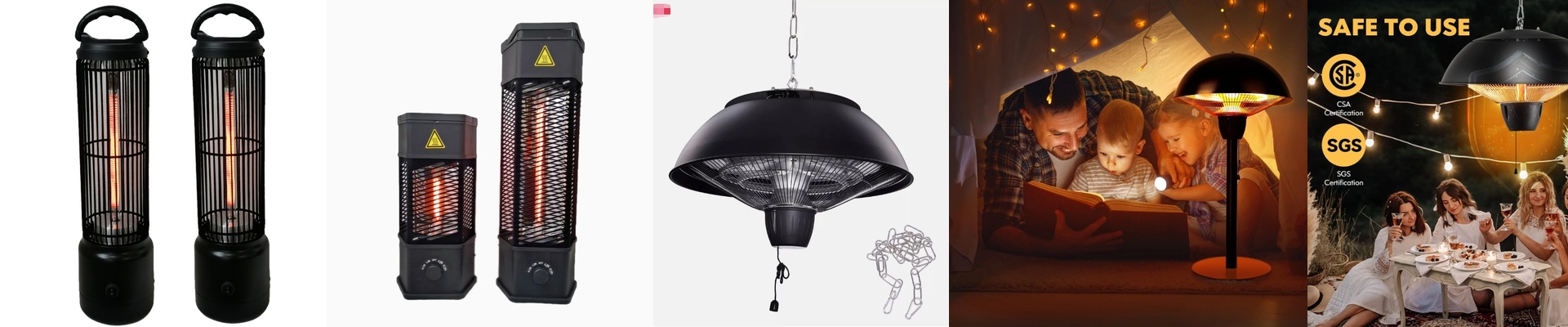
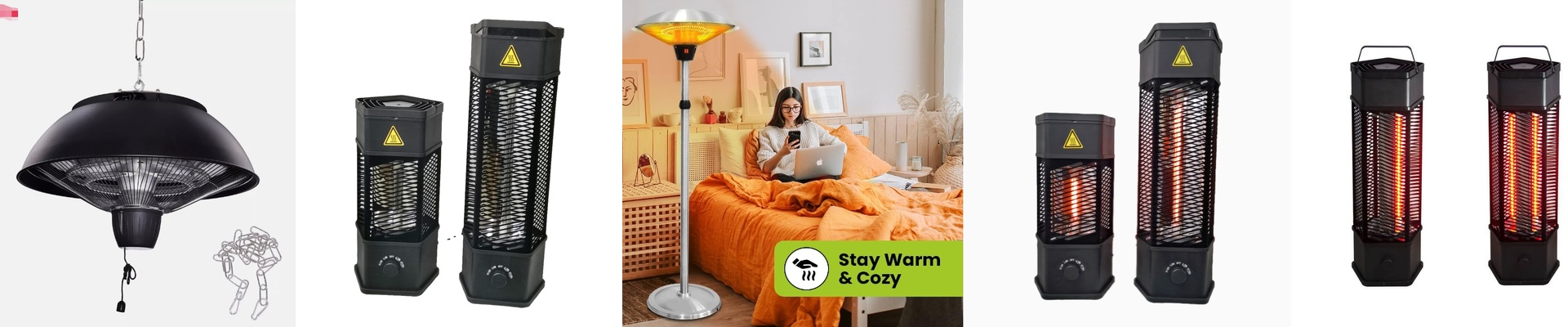
When your blow molder starts to bog down because the preforms aren’t hitting the right stretch temperature, you don’t need a lecture. You need a lamp that drops in and just works. We build high-power infrared emitters as direct-fit replacements for Sidel, Krones, SIPA, Husky, SACMI, and Nissei ASB machines. They match the OEM heating tunnel geometry and the electrical interface, so you’re not re-engineering the line.
What matters, technically
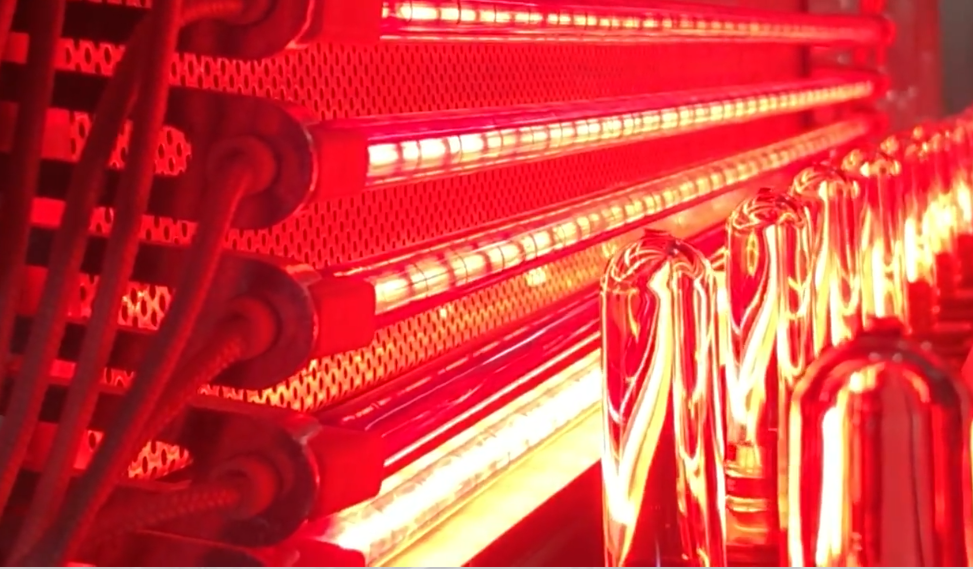
These are short-wave halogen lamps in quartz tubes, built for fast thermal response and stable output over long runs. The specs line up 1:1 with mainstream blow molders: 230 V or 460 V, 1.5–3.0 kW per lamp, 115 mm or 330 mm arc length, and R7s base/connector. Peak wavelength is around 950 nm, chosen to get through the PET preform wall quickly and heat the material evenly from the inside out. The focus stays tight, so the energy lands on the preform, not on the machine frame. Power ramps from 0–100% in under a second, and we regularly run 5,000+ hours with less than 5% output drop.
Why this plays in stretch blow molding
The heating window in stretch blow molding is narrow. If lamp output drifts, you lose biaxial orientation, and you start seeing uneven wall thickness, stress cracks, or cap-area failures—especially on sugar, juice, water, and carbonated drinks. With 1:1 parameter matching, you keep the same preform path, the same tunnel temperature profile, and the same timing. You get consistent bottle weight, stable top-load strength, and fewer scrap rejects. Energy use drops because the emitter hits setpoint fast and holds it without overshoot.
The details that bite you
Installation is straightforward, but the heating tunnel has to be clean. Dust on reflectors and quartz tubes scatters energy and creates hot spots. Before you order, verify voltage and connector type. Mismatched pins or voltage will change the thermal pattern and can shorten lamp life. And keep the cooling airflow at the OEM spec. Pushing higher power without proper cooling runs the quartz hotter and accelerates end-of-life. When you match the parameters, you keep the machine inside its designed thermal envelope.