
Introduction
Here’s the thing. We build in-wall infrared heaters for engineers who need warmth, and they need it fast. No messing around with overhauling a whole facility. Just quick, targeted heat. The whole point is simple: get the right amount of warmth to the exact spot you need it. The real challenge? Matching the heater’s power to the room’s unique heat loss. Get it wrong, and you’re stuck with a unit that either runs nonstop or never quite gets the job done.
The Power Behind the Plan
We don’t guess on this. We start with the hard numbers. You have to look at the room’s size, how much wall faces the cold, and the insulation rating. It’s all about the data. These in-wall infrared heaters typically run on a 220-240V circuit and pack a punch, anywhere from 1,500W to 5,000W. Think about it. A north-facing room with thin insulation is always losing heat. You’d need a higher wattage unit just to keep up with the constant chill. But a south-facing room with great insulation? It holds onto its heat. There, a lower wattage unit is all you need, saving energy and preventing the space from getting too hot. The goal is to perfectly match the heater to the room’s specific heat loss. That way, the unit cycles on and off smoothly, instead of running itself ragged.
The Gear That Gets the Job Done
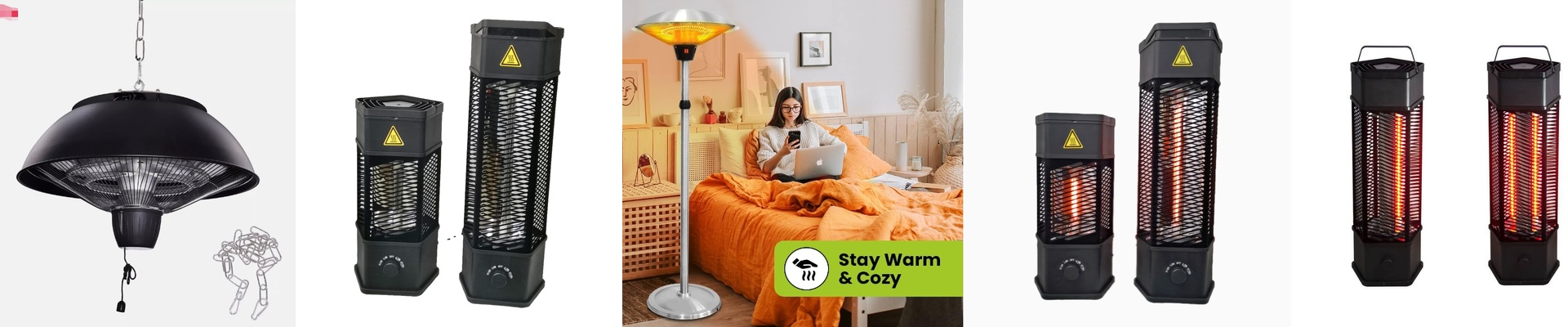
Inside, it all comes down to the quartz tube. It holds the heating element, and it’s specially coated to shift the output toward medium-wave infrared. This wavelength slips through the air with less loss, so it heats people and objects directly. You feel the warmth instantly, not after the whole room slowly heats up. And the connectors? They’re built for the grind. We use R7s or SK15 bases for a solid, high-temperature connection that can handle repeated heating and cooling cycles. These connectors are tough enough to handle the vibration of a busy plant floor and the heat of running day in and day out. They give you a reliable connection that won’t loosen up as things heat and expand.
Where It Shines (And What to Watch For)
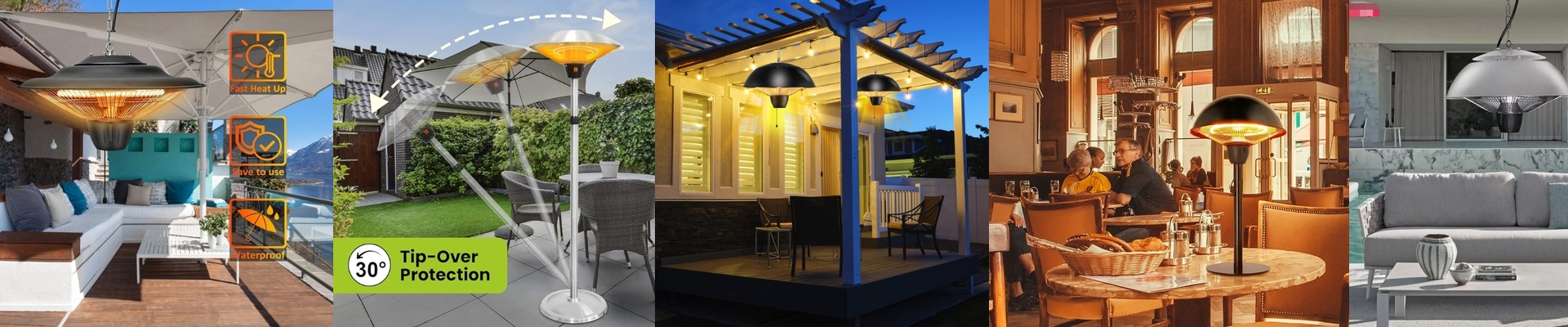
These heaters are all about direct, localized warmth. They’re perfect for workshops, warehouses, or those busy entryways where you just need to heat a specific spot. Sliding them into the wall keeps the footprint small and clears up valuable floor space. But there is a trade-off: heat density. A high-wattage unit throws off a lot of heat in a focused area. So, you have to be mindful of your machine’s cooling system and any nearby electrical components. They need to be positioned to handle the rise in ambient temperature. Always check the clearance requirements before you install. It’s a fast, effective, and targeted solution, but it does need a bit of planning to manage that thermal footprint.