You know that moment. The rush is hitting, tickets are stacking, and your deck oven is still clawing its way back to temperature after a door slam. Or worse, the tops of your pizzas are browning way too fast while the center lags, forcing you to choose between speed and consistency. In a commercial kitchen, heat isn’t just heat—it’s your timing, your margin, and your reputation. If the heating element can’t respond quickly and hold steady, every bake turns into a gamble. The professional quartz thermal element is a straightforward fix for these daily headaches. It’s built for rapid recovery, even heat across the baking chamber, and dependable performance shift after shift. In deck ovens, rotary ovens, and convection ovens, the element’s behavior directly shapes crust, color, and bake time—and it shows up on your energy bill.
What matters, technically
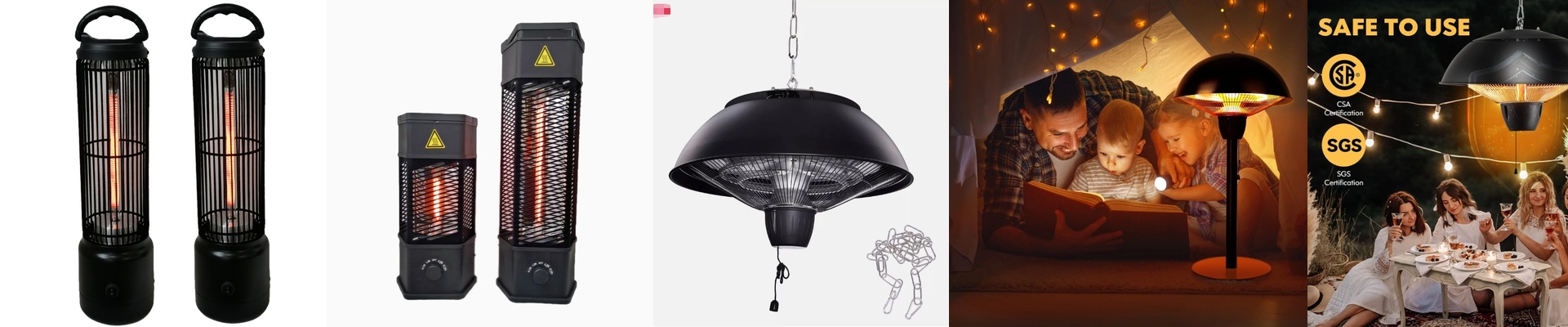
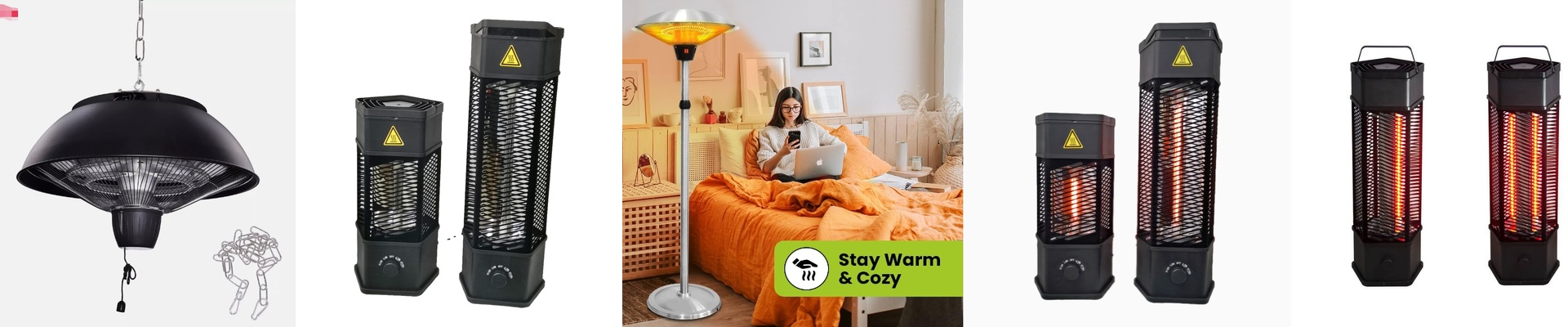
A professional quartz thermal element isn’t just a coil inside a tube. The quartz envelope is chosen for thermal shock resistance, so it can handle repeated cycling without cracking when the oven swings from cold to full heat. Inside, the resistive filament is engineered to hit operating temperature fast, so the oven recovers quickly when you open and close the door. Here is what that looks like in practice:
- **Fast heat-up and recovery:**Quartz elements reach target temperature in a fraction of the time compared to traditional metal-sheathed elements. In a real kitchen, that means fewer minutes waiting for the oven to come back to setpoint after each bake.
- **Even radiant heat:**Quartz emits infrared energy that spreads evenly across the stone hearth or baking chamber. That cuts down on hot and cold spots, so you get consistent crust color from front to back.
- **Stable output over time:**The element holds its rated power longer, so the oven performs the same in hour one and hour ten. You get repeatable results without chasing temperature by riding the thermostat up and down.
- **Energy-focused design:**Because the element heats quickly and spends less time soaking energy, peak demand drops and overall consumption per bake cycle falls. That’s not theory—you can measure it in kWh across a service window. Electrical specs matter just as much. Most commercial quartz thermal elements are specified for standard commercial voltages, typically 120V or 240V depending on your oven, with power ratings matched to oven size and bake profile. Connector types are designed for high-temperature terminal blocks, so the install is clean and the connection stays tight under heat. Match the element to the oven’s original specs, and you keep the control system in its intended operating range.
Why it works where it matters
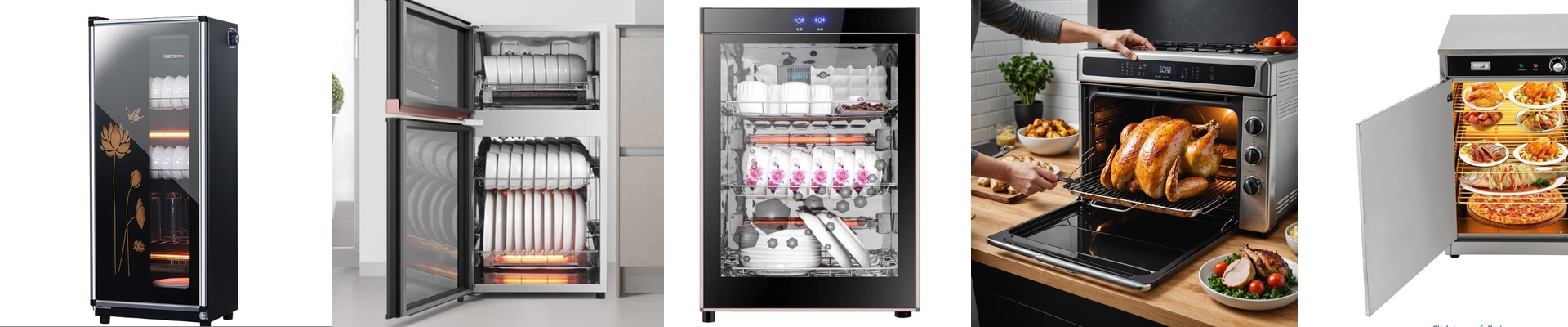
In a busy pizza line or bakery, the oven is rarely at idle. Doors open, trays slide in and out, and temperature drops. The quartz thermal element shines because it recovers fast, keeping bake times predictable. For deck ovens, that means the stone heat rebounds quickly, so the crust gets the same hard hit of heat every time—consistent lift and blister. For rotary ovens, the even radiant output reduces banding and helps product color uniformly across the pan. In convection ovens, the element supports stable air temperature, so airflow does the work of transferring heat without over-browning. The payoff shows up in three places. **Speed without giving up control.**Faster recovery means shorter bake windows and higher throughput during peak hours. You’re not pushing the oven—you’re trusting it to come back to temperature when you need it. **Quality you can bank on.**Consistent radiant heat improves crust development and caramelization. You get the same visual cues across trays, so your staff can execute by look and feel instead of guesswork. **Energy use that behaves.**Quartz elements spend less time drawing full power to compensate for heat loss. Over a week, that adds up. Fewer kilowatt-hours per bake cycle, lower peak draw, and a steadier electrical profile make the kitchen easier to manage. These gains aren’t isolated. Better temperature stability reduces the need to overcook or re-bake, which cuts waste. Faster recovery keeps tickets moving, which improves labor efficiency. Lower energy draw improves the bottom line without changing your menu.
The realities you need to plan for
Quartz thermal elements are tough, but they aren’t set-and-forget. A few shop-floor realities matter. **Match the element to the oven.**Not every oven is designed for the same heat density or control strategy. Use an element with the correct voltage, power rating, and physical dimensions for your specific model. Undersized? Recovery slows. Oversized? You can overshoot the thermostat’s response and create temperature swings. **Installation needs attention to terminals and clearance.**High heat demands secure connections and proper insulation. Terminals must be torqued to spec, and the element must clear oven walls and racks to avoid contact. Contact creates hot spots and shortens life. **Cleaning matters.**Grease and carbon buildup on the element surface can cause uneven heating and reduce efficiency. Wipe the element during scheduled maintenance, and keep the oven interior clean. A clean oven is a stable oven. **Handle with care.**Quartz is tough, but it’s still glass. Avoid impacts and sudden temperature shocks. Let the oven come up to temperature gradually after deep cleaning, and don’t drop tools onto the element. **Expect a trade-off up front.**Professional quartz thermal elements are often priced higher than basic metal-sheathed elements. In return, you get faster recovery, better temperature stability, and lower operating cost. The investment pays for itself in reduced energy use and fewer quality issues, but it’s still a decision you should budget for. If your oven is struggling to hold temperature, if your staff is compensating with longer bake times, or if your energy bills are rising faster than your ticket counts, the professional quartz thermal element is a practical upgrade. It’s not magic—just solid engineering that puts control back in your hands, so your kitchen can keep pace with demand without compromising the food.