

How Infrared Heaters Put the Heat Right Where You Need It
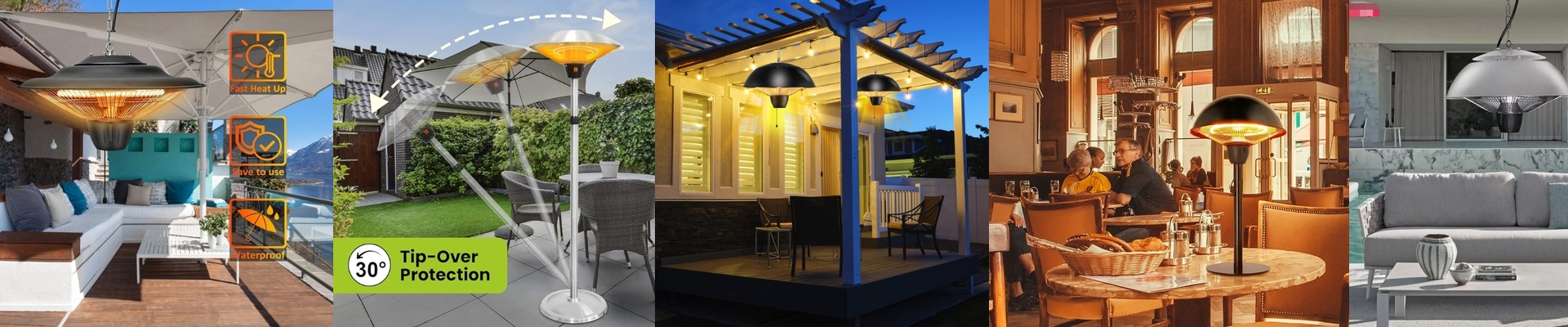
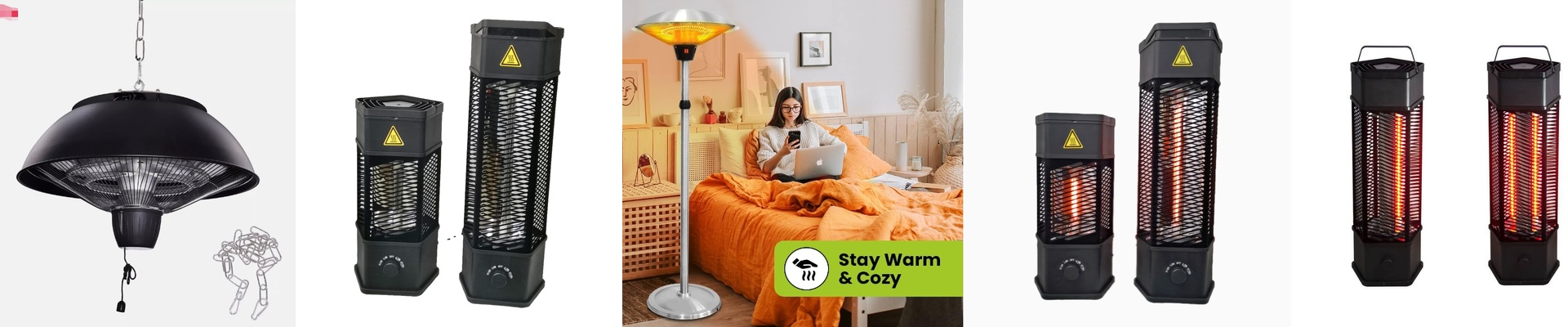
Ever felt like you’re paying to heat the whole building, but the person who actually needs warmth is still chilly? That’s the problem we built these infrared heaters to solve. Traditional heaters warm the air—and let’s be honest, most of that warm air just floats away. Our approach is different. We use shortwave infrared to send heat straight to the target—whether it’s a person, a workstation, or a machine. It’s like having a heat source that actually shows up on time.
The Power Behind the Warmth
Here’s the thing: these heaters are built for serious punch. We’re talking 2500W of output, so you get that quick, satisfying blast of heat exactly where it lands. And the voltage? That’s chosen to match your facility’s setup. If you’re running on 400V, you get lower current draw. That means you can use thinner wiring, and the installation becomes way simpler. The tube length—around 300mm—isn’t random. It’s carefully sized to pack the heating element into a tight space, creating a focused beam of warmth. So you can mount the unit close to the target without heat spilling over everywhere.
What’s Inside Matters
Inside the tube, you’ve got a halogen-filled quartz envelope. It protects the filament and handles sudden temperature shifts without breaking a sweat. The halogen cycle keeps the filament clean, so the heater lasts longer and delivers steady, reliable heat. And because the quartz lets shortwave infrared pass through with almost no absorption, the energy transfer is direct. Fast. Efficient. For the electrical connection, we use R7s or Sk15 connectors. They’re secure, built to handle high temperatures, and easy to wire up. Even on a vibrating factory floor, they stay solid.
Warmth Without the Waste
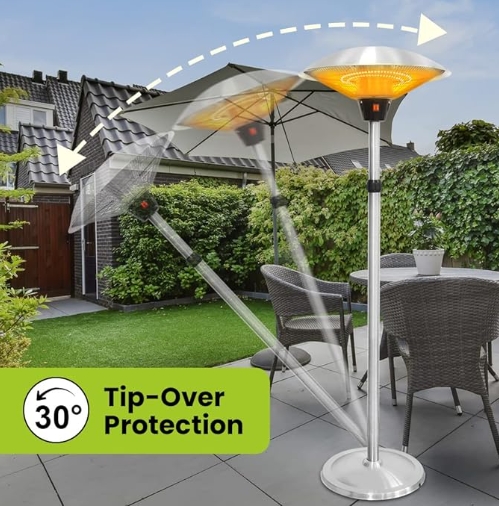
With this setup, there are no cold spots. You point the heater, and the heat goes exactly where you want it—on the machine part, the workstation, or the person walking by. And because you’re not heating the entire building, you use less energy overall. Just keep in mind: the heat is intense and directional. So you’ll want to plan your mounting to avoid hot spots on nearby equipment. Also, make sure your control circuitry can handle the startup surge. Once you get it dialed in, though? It’s the kind of warmth that feels intentional. Precise. Exactly where you need it.