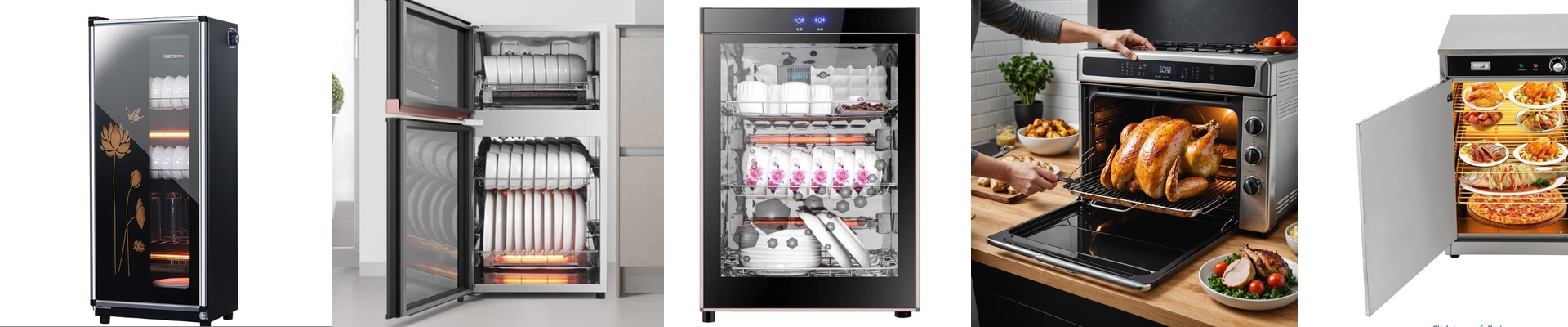
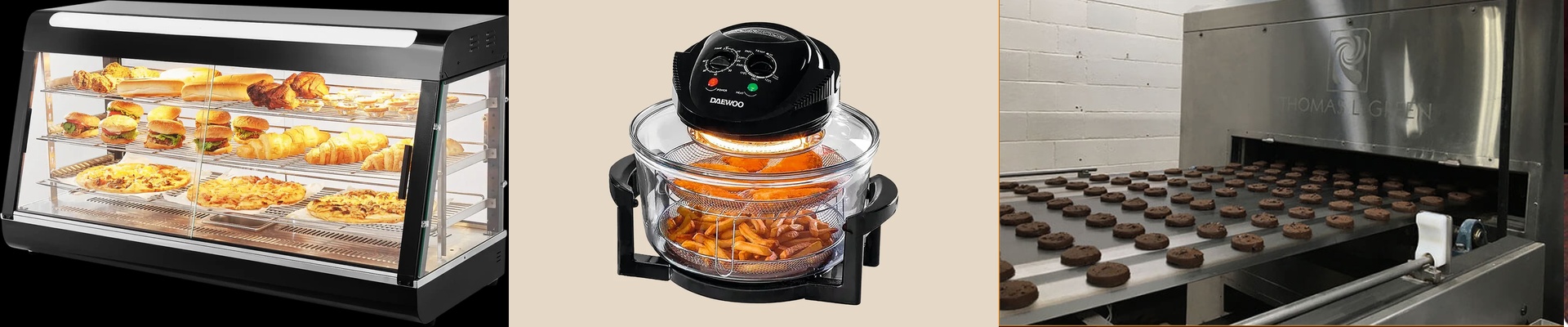
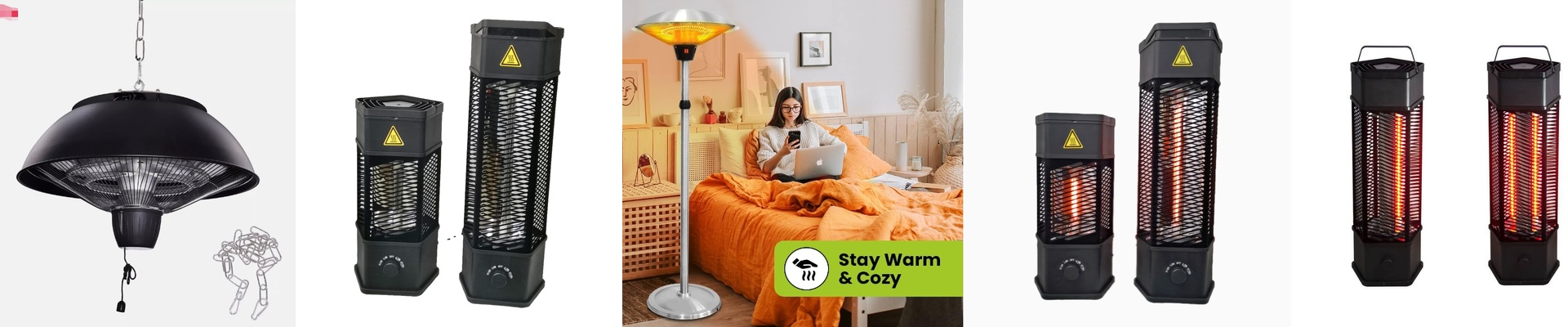

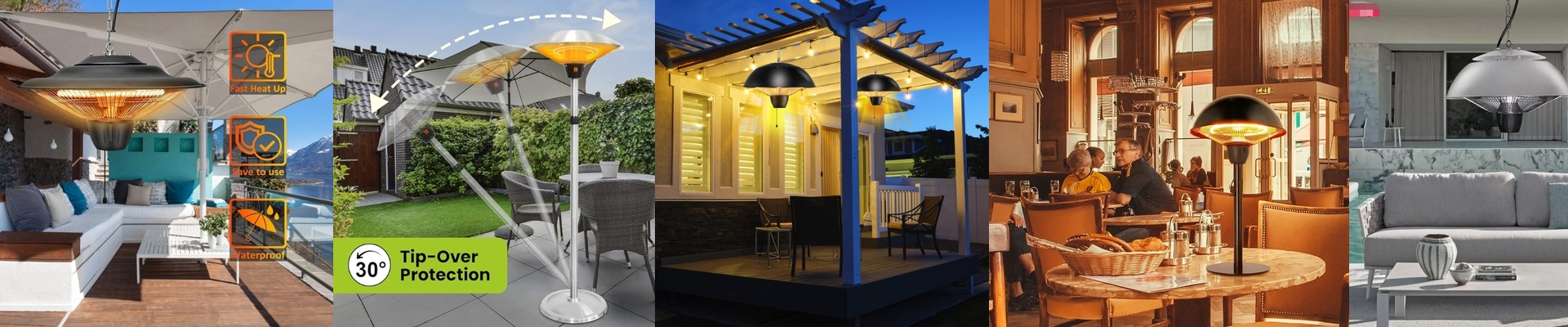
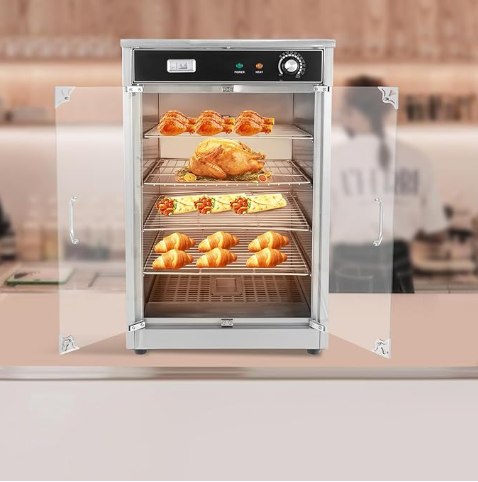
Stand behind a busy service counter and the display case is your front line. If the heat isn’t even, pizza slices go soft, pastries lose their lift, and rotisserie chicken loses its sheen before the rush even hits. Customers spot that immediately. We built the single-tube quartz element to keep that front line steady, shift after shift.
What matters under the hood
This single-tube quartz element is a short-wave infrared emitter, tuned for food warming. It brings the display case up to holding temperature in under 60 seconds, so you can flip from prep to service without waiting around. Across the cabinet, the quartz tube lays down a stable thermal field with ±2°C control right at the product surface. That tight tolerance protects crust structure, keeps things from drying out, and locks moisture where it belongs. Infrared energy penetrates the top layer just enough to hold warmth without turning the center rubbery. The tube’s geometry and low thermal mass give you fast recovery after the door opens, so the set point stays solid even when traffic is heavy.
Why it fits the display case
In a food display, heat has to respect texture. The quartz tube targets the top surface and the upper air layer, leaving the core intact. You get consistent holding temperatures across the full width of the case, so the item at the far end holds the same quality as the one right up front. Fast warm-up closes the gap between setting up the display and taking orders, which helps throughput. Energy use drops because the element heats quickly and cycles precisely, avoiding long idle draw. With fewer hot/cold swings, you cut down on waste from dried-out product and fewer reheats.
What to watch for
Quartz tubes do their best work when matched to the cabinet size and the airflow pattern. Clearance around the tube matters—keep racks and shields from blocking the radiation. Make sure the mounting end-fittings and voltage line up with your display case. 120V and 240V versions are common, and the wrong fit can throw off alignment and heat distribution. You’re getting serious output from a compact footprint, so the insulation and glazing around it need to be in good shape. Treat the tube like a precision part: clean it gently, avoid contact oils, and swap it out at the first sign of discoloration or output drop.