
Stop Fighting Cold Spots in Your Bread Ovens
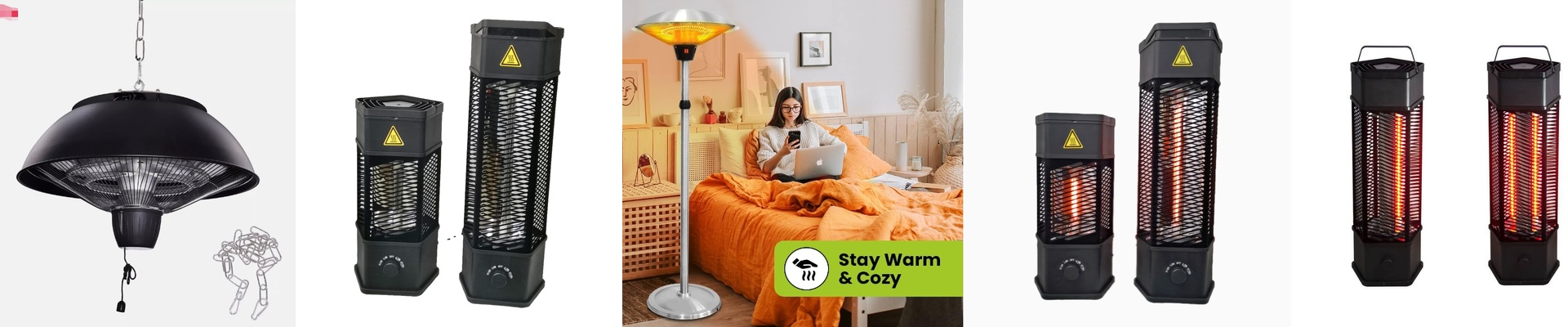
Nothing is more frustrating than pulling a tray out of the oven and seeing a patchy mess. You’ve got some loaves that look perfect, others that are pale, and a few with burnt edges but raw centers. It’s a waste of dough and a headache for your team. The problem is usually the air. If you’re relying purely on convection, you’re basically hoping the air moves perfectly. It doesn’t. You get pockets of cold air that just sit there, leaving your bread uneven. That’s where infrared (IR) heaters come in. Instead of trying to heat the air and then the bread, IR sends energy straight to the surface of the dough. It’s direct. It’s fast. And it actually works. Getting the heat right We use short-wave and medium-wave IR emitters to make sure the heat actually sinks into the dough. Traditional coils are okay, but these radiant tubes are a different beast. They give you a concentrated blast of heat that you can actually control. No more guessing if the middle of the tunnel is too cold. But you can’t just throw any heater in there. We look at your oven’s footprint and pick the right wattage and tube length to match. We often use coated quartz because it changes how the heat hits the bread—it helps the warmth soak deep inside rather than just searing the crust. A word of caution on power Here’s the thing: you have to be careful with power density. If you cram too many watts into a tube that’s too short, you’re going to burn out the filament or melt your housing. It’s a balancing act. Your control system needs to be tuned to the actual weight of your bread loads, or you’ll overshoot your temp and end up with charred loaves. Keeping things running The good news? These are basically drop-in replacements. They fit right into your existing oven banks. We use heavy-duty connectors because, let’s be honest, constant heating and cooling kills cheap wiring. One big tip:keep the glass clean. Quartz tubes hate grease and flour. If a layer of gunk builds up on the glass, you’ll get hot spots, and the lamp will die way sooner than it should. Get a strict cleaning schedule in place. Also, make sure your venting is sorted. These things put out a lot of heat, and you don’t want your mounting brackets cooking themselves.