
Making Your Warehouse Heaters Actually Smart
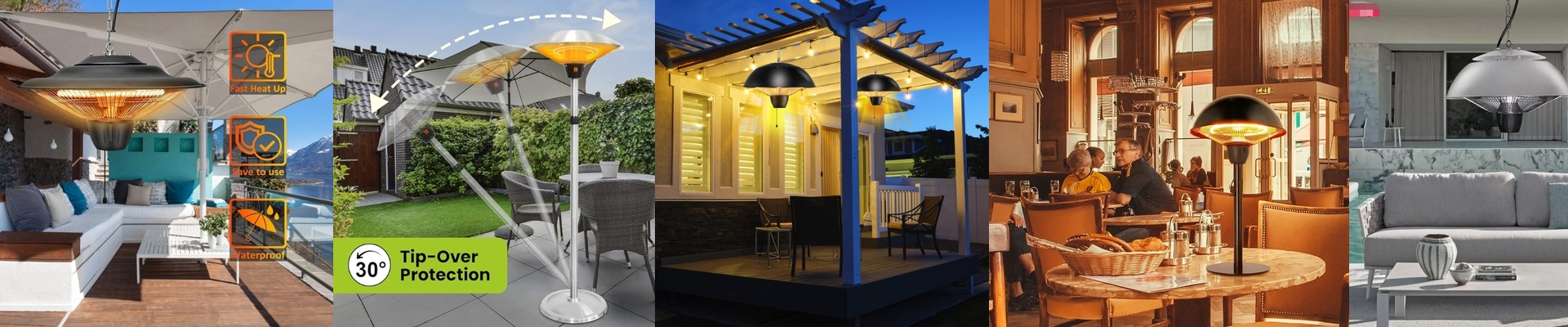
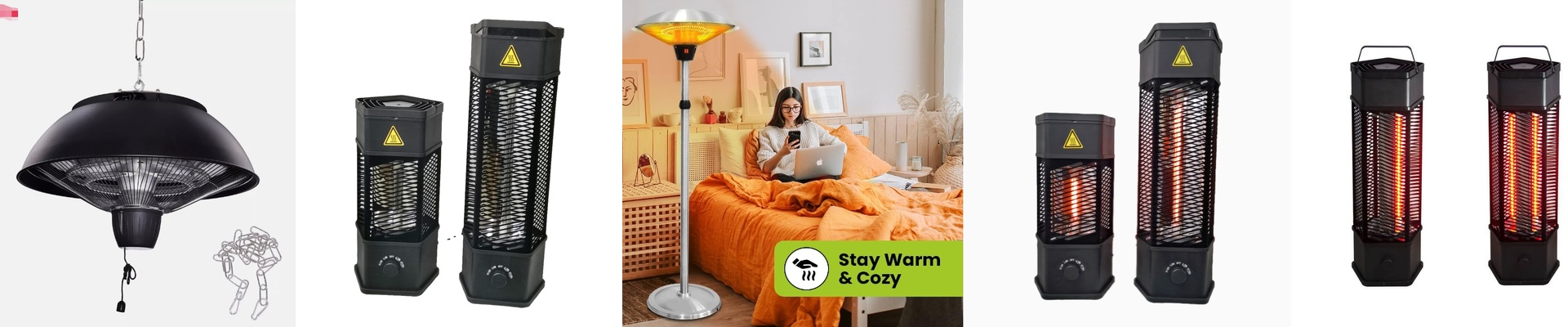
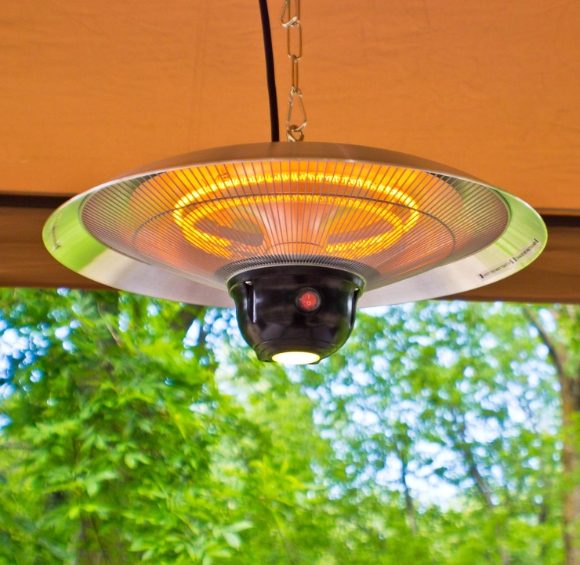
If you’ve ever worked in a freezing warehouse, you know the struggle. You turn on the heat, and then you wait. And wait. Most systems try to heat the air, which is basically like trying to warm up the outdoors—it’s a waste of money and time. Ceiling radiant heaters are different. They don’t mess with the air; they send infrared waves straight down to the people and equipment. It’s like standing in the sun on a crisp October morning. But the real magic happens when you stop flipping manual switches and plug these things into a smart system.
Heat That’s Actually Instant
The best part about these heaters is how fast they kick in. Because the elements don’t have much “bulk” to warm up, they hit their peak temperature in seconds. When you hook them up to a smart relay or a Wi-Fi bridge, you can time it perfectly. Imagine tapping a button on your phone while you’re still drinking your morning coffee, and by the time your crew walks into the bay, the floor is already warm. It’s a simple hand-off: your phone tells the gateway, the gateway closes the circuit, and the heat hits the floor immediately. No waiting for the air to circulate. Just instant warmth.
Getting the Tech to Talk
To make this work, we use protocols like Modbus or MQTT. That’s just a fancy way of saying we make the heaters talk to your other sensors. You can set it up so the heat kicks on the second the temperature drops below a certain point, or only when the occupancy sensors see someone actually standing in the work zone. It saves a ton of power. One heads-up, though:watch your power load. If you flip on twenty high-wattage heaters at the exact same millisecond, you’re going to trip a breaker or see your lights flicker. We usually set up a “staggered start.” The heaters pop on one by one in a quick sequence. It keeps the electrical grid happy and your lights staying on.
A Word of Advice on Hardware
Adding smart controls is great, but it does add a layer of “stuff” that can break. You’re moving from a dead-simple wall switch to something that relies on your network. Here is my honest take:don’t trust the app 100%. Networks crash. Routers reboot. If your Wi-Fi goes down on a Tuesday morning in January, you don’t want your team freezing. Always install a manual override switch on the shop floor. It’s a small detail, but it’s the difference between a smart system and a frustrating one.