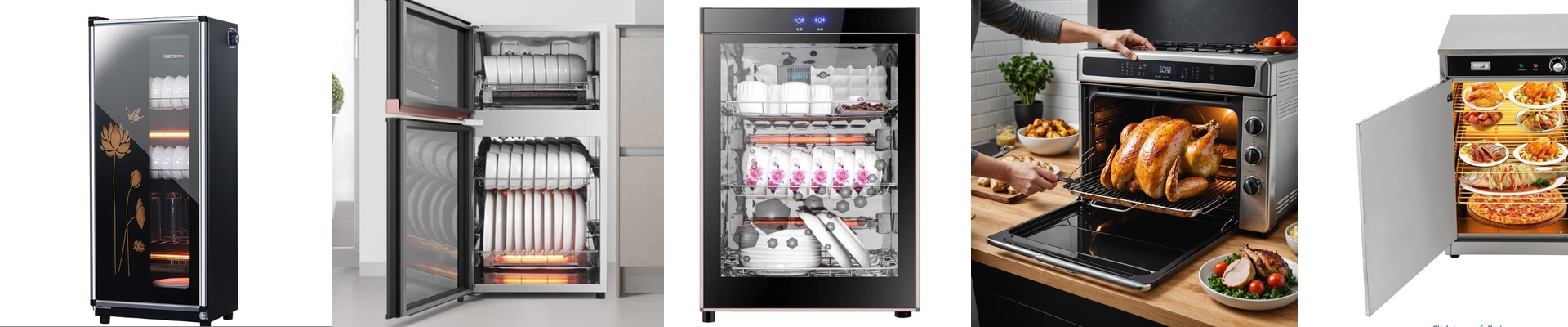
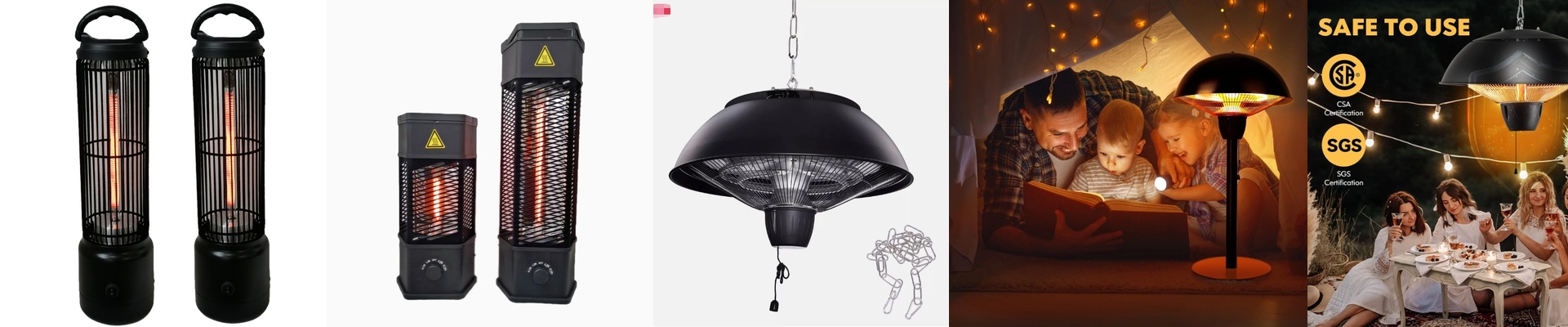
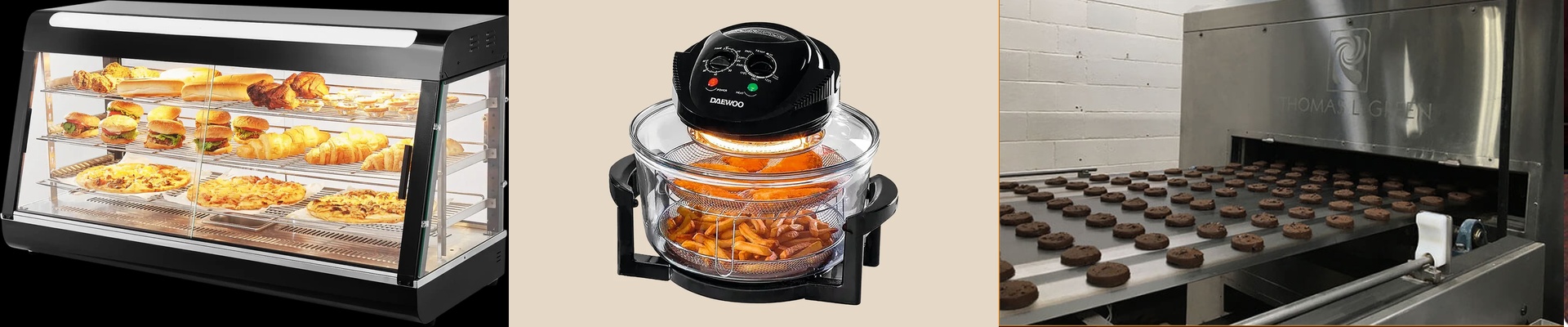
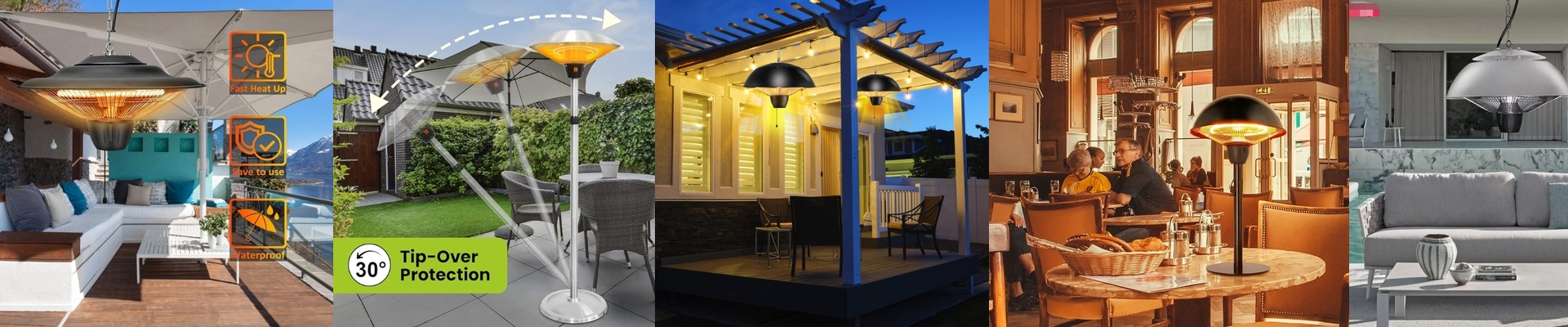
Getting Heat Right in AI Rotary Ovens
Smart kitchens are leaning hard into AI to manage heat, and for rotary ovens, that changes the game. You can’t just rely on old-school heating elements anymore. You need infrared lamps that react the second a sensor tells them to. That’s where we come in. We build lamps that hit those tight tolerances so your food browns perfectly without the middle staying raw.
The secret to high-density heat
Here’s the thing about rotary ovens: the food never stops moving. You can’t wait around for the air to warm up; you need heat that hits the surfaceinstantly. We obsess over the wattage-per-centimeter ratio. Why? Because if the voltage is off or the wattage is too low, you get those annoying cold spots. But if you crank it too high, you’ll char the outside before the center even gets warm. It’s a delicate balance, and we’ve got it down to a science.
How we build them
We use quartz glass and halogen gas fills to push temperatures higher than your average IR lamp. Most of the time, our lamps are simple drop-in replacements. We match your original OEM footprint and connectors exactly, so you aren’t messing around with rewiring everything. Plus, if your power grid is a bit unusual, we can tweak the length and voltage to fit your specific setup. One heads-up, though: these high-wattage quartz tubes are fragile. They put out an incredible amount of heat, but they don’t like physical shocks. A hard bump or a splash of cold water during cleaning can crack them. Treat them with a bit of care.
Making it work with your smart system
AI controllers need lamps that can flick on and off rapidly without burning out. We build ours to handle that kind of thermal shock. When you pair our lamps with a PID controller, you can keep your temperature window within +/- 1°C. No more guessing. No more “hoping” the batch comes out right. You just wire it up, calibrate the sensor, and let the system do the heavy lifting.