
Why Wait for the Oven? The Secret to Instant Heat
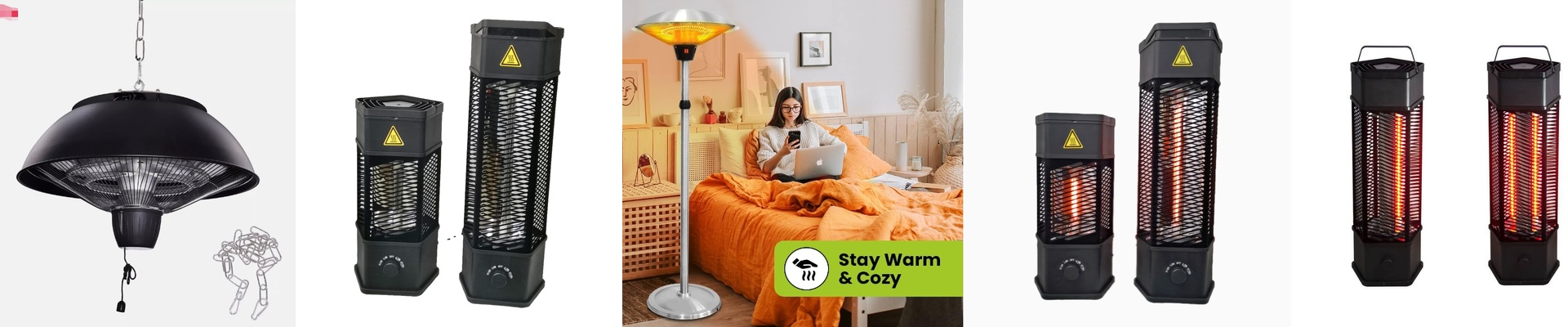
Most ovens are slow. You turn them on, wait ten minutes for the air to get hot, and then—finally—you can start cooking. It’s a drag. We decided to do things differently with our heating elements for kitchen bridges. Instead of heating up the whole room, we use short-wave infrared tech and lightweight quartz. The result? You hit 300°C in seconds. It completely changes how you cook. You aren’t waiting for the air to warm up; you’re sending energy directly into the food. It’s all about the punch. The speed comes from packing a lot of power into a very thin filament. This creates a massive jump in temperature between the element and your meal, giving you an immediate blast of heat. Because the quartz tube doesn’t “hold onto” the heat like a heavy cast-iron coil does, it doesn’t lag. It just fires. When you turn it off, it stops. No lingering heat, no guessing games. The materials matter. We use high-purity quartz glass to protect the tungsten filament inside. Why? Because jumping from room temperature to 300°C in a heartbeat is a lot of stress. Most materials would just crack. We also add special coatings to the tubes. This makes sure the heat actually hits your food instead of just bouncing off the oven walls and wasting energy. A few things to keep in mind. Getting these into a kitchen bridge is easy enough, but you’ve got to be smart about the electricity. That instant ramp-up creates a big spike in current. If you use cheap relays or thin wiring, you’re going to fry your contacts. Don’t skimp here. And one last tip: because the heat is so concentrated, the “sweet spot” is pretty small. You have to get your positioning just right. If the food is too close, you’ll char the top before the middle even gets warm. But once you find that balance? It’s magic.