
Making Your Infrared Heating Actually Smart
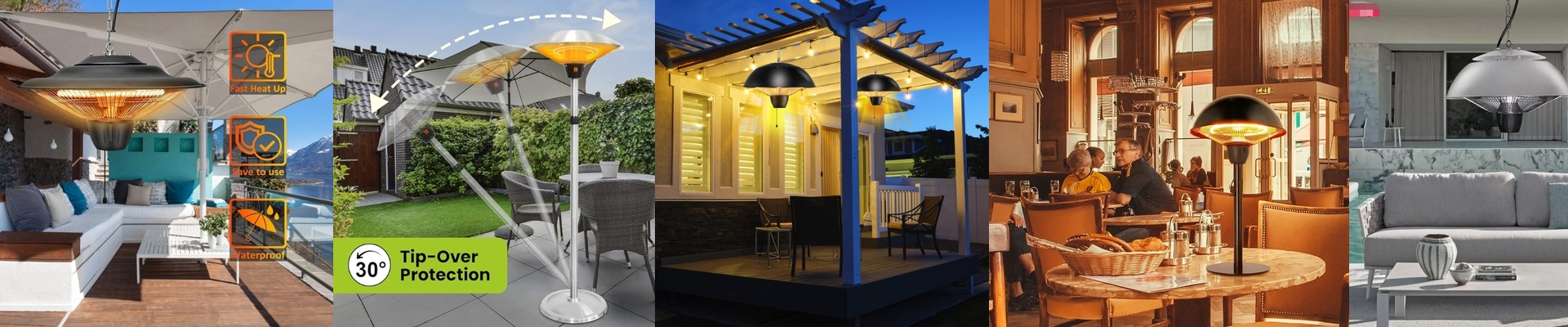
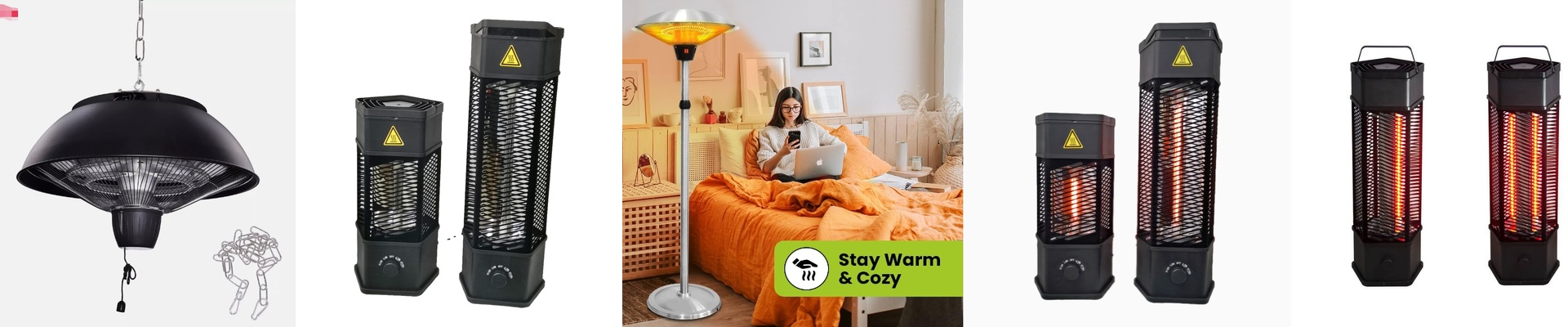
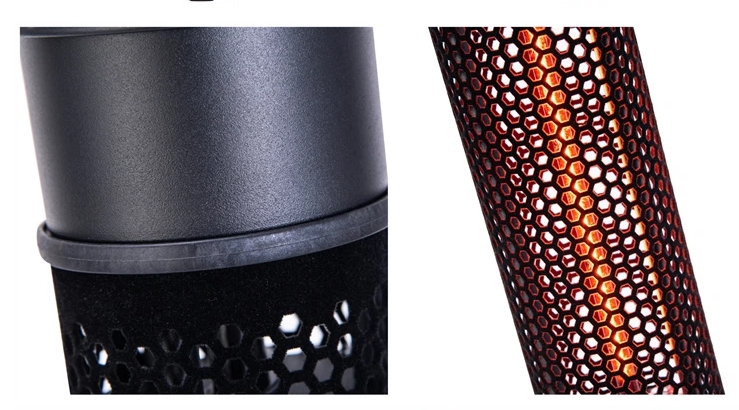
We build these IP44-rated infrared heating tables to handle the messy stuff—splashes, dust, and those damp, semi-outdoor spots where normal electronics would just give up. But the real magic happens when you stop flipping a manual switch and let your home automation take over. The nitty-gritty on the hardware First, a quick word on that “IP44” label. Basically, it means the table is sealed up tight enough that it won’t freak out if it gets splashed from any angle. Inside, we use short-wave infrared emitters. Instead of wasting time trying to warm up the air around you, they beam heat directly onto the surface. To make this work with a smart hub, we use a heavy-duty relay or a PWM controller. It’s essentially a bridge that lets a tiny, low-voltage signal from your phone or hub tell the high-voltage heaters to get to work. Heat on demand The best part? The “one-click” feel. You can set it up so the heat just… happens. Maybe it kicks in the moment the temperature dips below 10°C, or the second your phone crosses a geo-fence on your way home. And because it’s infrared, there’s no waiting around for a radiator to warm up. You hit the button, the circuit closes, and you feel the heat instantly. It’s immediate. One thing to watch out for Now, there is a catch. Fast heat means a lot of power. If you’re putting in a few of these tables, don’t just plug them in and hope for the best. You’ll want to check your breakers and cable gauges. If three or four 2kW heaters all scream for power at the exact same millisecond, you’re probably going to trip a breaker. My advice? Set up a staggered start in your automation logic. Give each heater a few seconds of breathing room. It keeps your electrical panel happy and prevents any surprise blackouts.