
A greenhouse after dark is a delicate setup. The temperature drops fast, and one cold night can erase weeks of work. You need heat that comes on quickly, holds steady, and doesn’t make you compromise on sustainability.
What actually matters under the hood
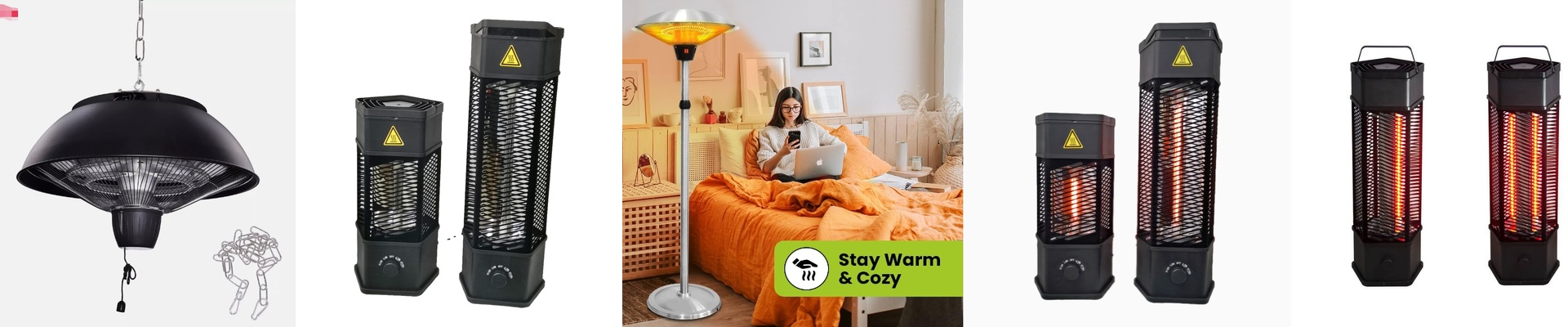
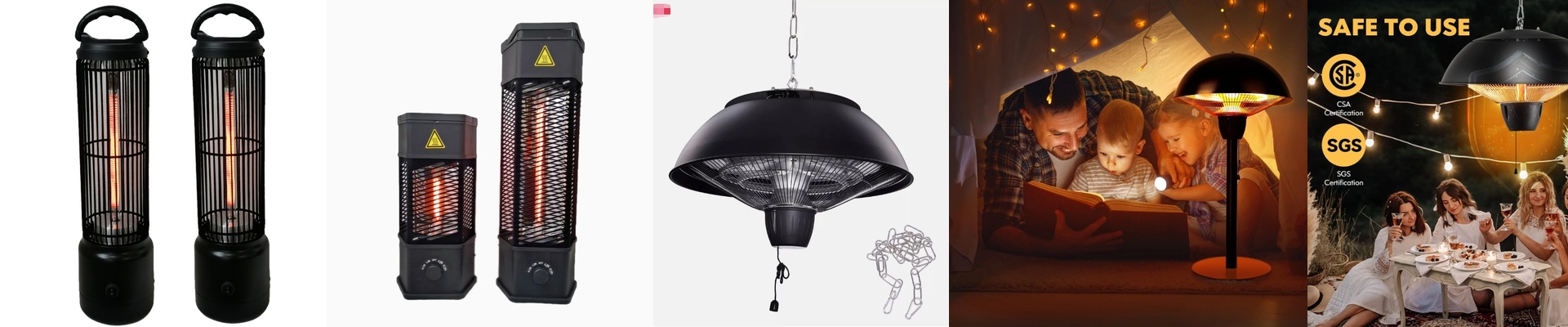
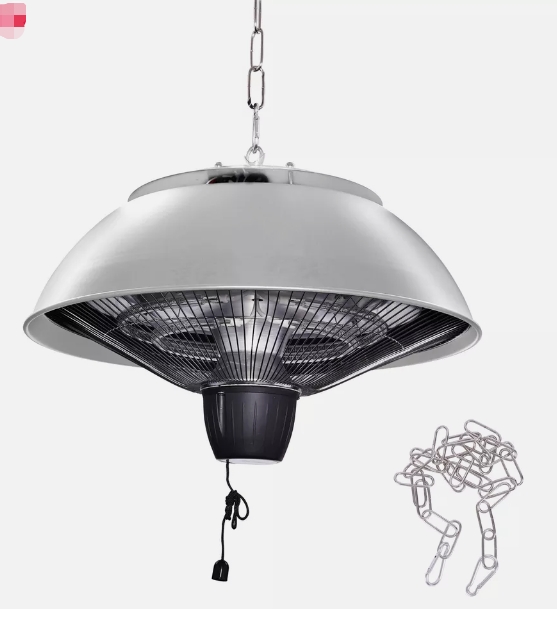
We built our greenhouse infrared heater around a carbon fiber element. It delivers radiant warmth with very few moving parts. The heat spreads in a broad, even pattern, warming plants, soil, and benches directly—instead of wasting energy heating the air first. That translates to stable temperatures with less on/off cycling, and fewer wide swings that stress seedlings. The element is paired with a sealed quartz tube that handles moisture and keeps output consistent. A built-in thermostat gives you precise control, so you can hold the set point without constantly chasing it. It runs on standard power, and the footprint is compact—easy to place where space is tight.
Why this approach fits a greenhouse
Zero-waste targets mean you need long-life equipment, not throwaway appliances. We use high-cycle materials chosen for durability and recyclability, so the heater stays in service season after season. Fewer replacements mean less waste—and lower cost over time. Radiant heat also lines up with how a greenhouse should run. It warms the growing zone, not just the air, so conditions near the plants stay steadier. That stability supports faster cycles, better root development, and fewer losses when the weather turns.
The details that keep it working
Because infrared heaters warm objects, placement matters. Position the unit to cover the main growing area, and avoid direct line-of-sight to sensitive plants—adjust the height as needed. For the best results, run longer, steadier cycles with the thermostat instead of cranking the heater to its maximum. One practical reality: humidity is unavoidable in a greenhouse. The sealed design resists moisture, but mount the heater in a sheltered spot and plug it into a grounded outlet with proper protection. If you run multiple units, space them to create even coverage and avoid hot spots.