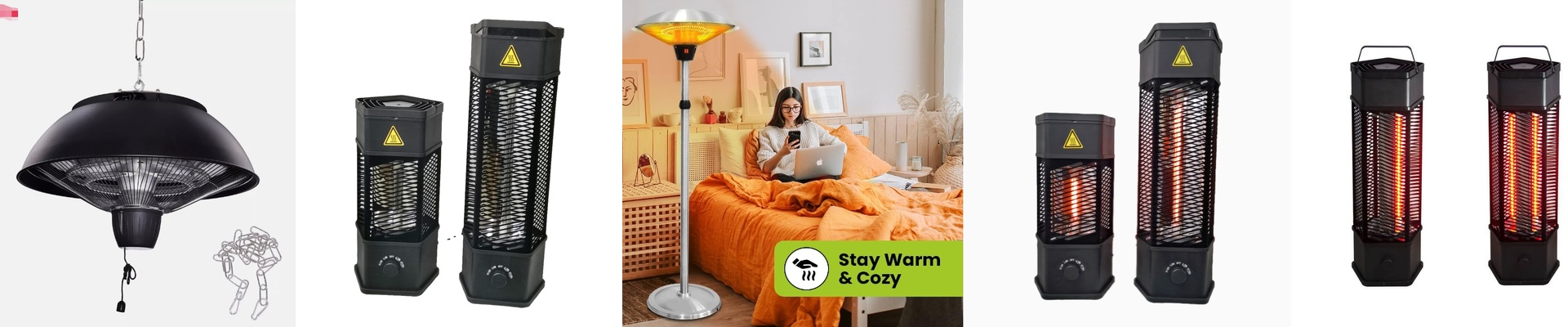

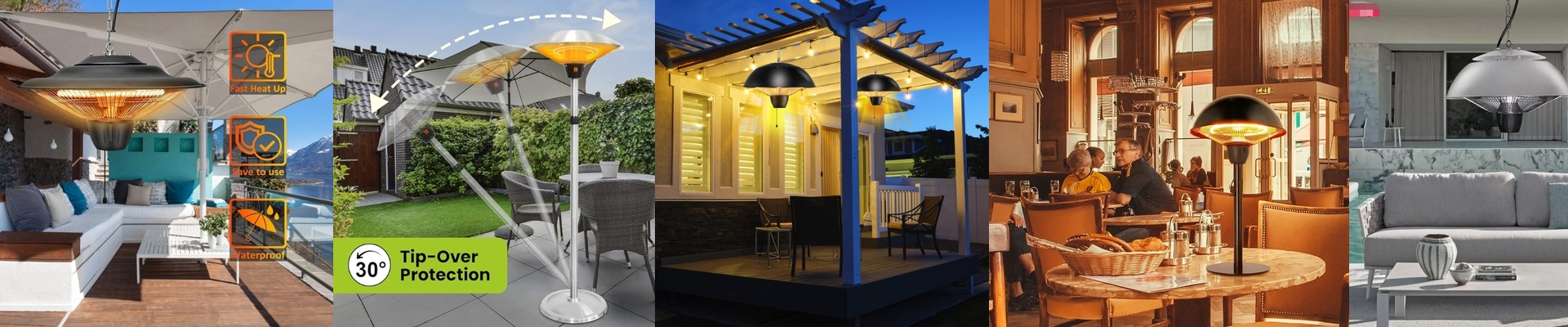

Winter comfort has a quiet downside: dry air. Forced-air systems push heat around the room, and as the air warms, moisture levels take a hit. You know the feeling—itchy skin, a scratchy throat, that brittle, overheated air that makes everyone uncomfortable.
What actually matters under the hood
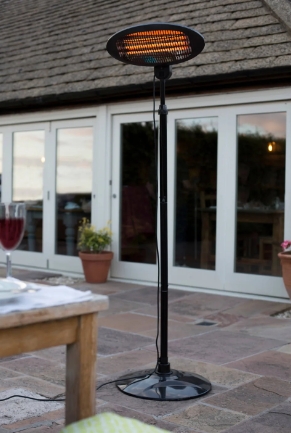
Infrared electric heaters take a different path. They deliver radiant heat that travels in straight lines and warms people, furniture, and surfaces directly—just like the sun. The heart of the unit is a carbon fiber element or a quartz tube, producing short- to medium-wave infrared chosen because it cuts through the air with minimal absorption. In practice, the heater transfers energy to solid objects, not to the air between them. So the air stays put, and relative humidity stays far more stable.
Why this matters in real rooms
In living rooms, bedrooms, and workshops—places where comfort and health matter—infrared warmth lands fast. You feel the heat within seconds, without waiting for the whole room to warm up. And because moisture isn’t being stripped from the air, you avoid that parched, forced-air feeling. The comfort is even and gentle, with no drafts and no temperature swings. For wholesale buyers and homeowners alike, it also means focused heating. Energy goes where you need it, not into heating empty air.
The practical stuff you need to get right
Infrared heat is directional. For best results, point the unit so the beam of warmth covers the main seating area or the work surface. Most models are electric and plug into standard outlets, but higher-wattage units may need a dedicated circuit. Look for thermostat control, tip-over protection, and an IP rating that matches your space—especially if moisture is present. One trade-off: radiant heat doesn’t warm the air. In rooms with high ceilings or large air volumes, areas outside the direct line of warmth can still feel cooler.