Getting Your Oven Temps Exactly Right
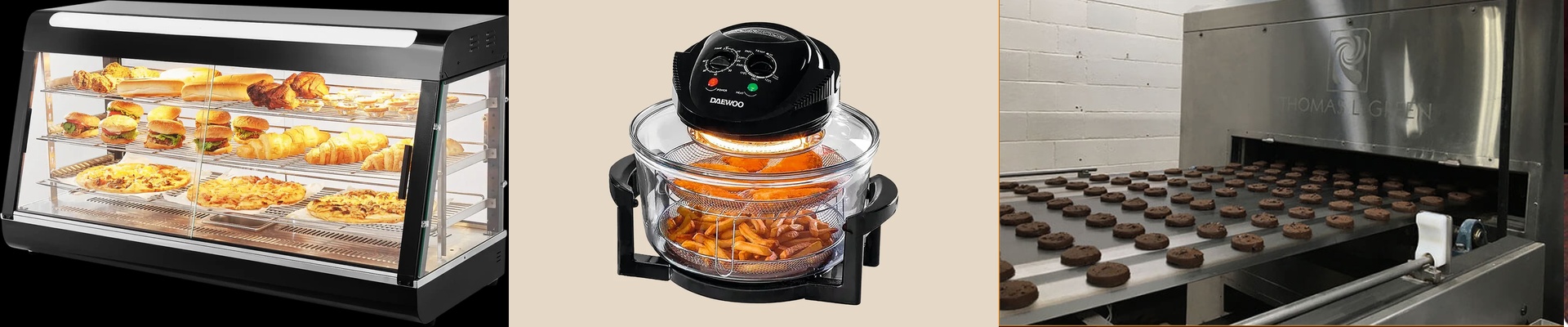
If you’ve ever tried a high-stakes bake, you know that just setting a dial to 350°C isn’t enough. To get that perfect rise and a crust that actually looks professional, you need to be able to shift temperatures in stages. The problem is that most heating elements are sluggish. They keep pumping out heat long after you’ve told them to stop. It’s like trying to steer a cruise ship—by the time it turns, you’ve already hit the dock. We fixed this by building auxiliary elements that react in seconds.
Why Speed Actually Matters
To get that “stepped” temperature effect, an element needs to heat up and cool down almost instantly. We used low-mass filaments and high-density quartz envelopes to stop the heat from just soaking into the metal. When your controller sends a pulse, it hits full power immediately. When the power cuts, the heat drops right away. No more “overshooting” the temp and ruining a delicate batch of pastries.
How to Set It Up
These aren’t complicated to install; they’re designed to slide right into your auxiliary heating zones. If you pair them with a PID controller and a high-frequency SSR (Solid State Relay), you can tweak the heat in tiny, precise increments. You aren’t just toggling the oven on and off anymore. You’re basically building a thermal staircase for your food.
A Few Things to Watch Out For
Here’s the catch: these elements pack a punch. Because the heat is so intense and localized, you can’t just let the air sit still. If you go for a high-wattage setup without focusing on airflow or sensor placement, you’ll end up with hot spots that burn your product. Make sure your thermocouple is sitting close to the target zone. That’s the only way to ensure those split-second reactions are actually helping the food. One last thing—we built these to survive the chaos of a commercial kitchen, but they are picky about power. Voltage spikes can kill the filaments early, so just make sure your power supply is steady.