
Stop Waiting for Your Oven to Heat Up
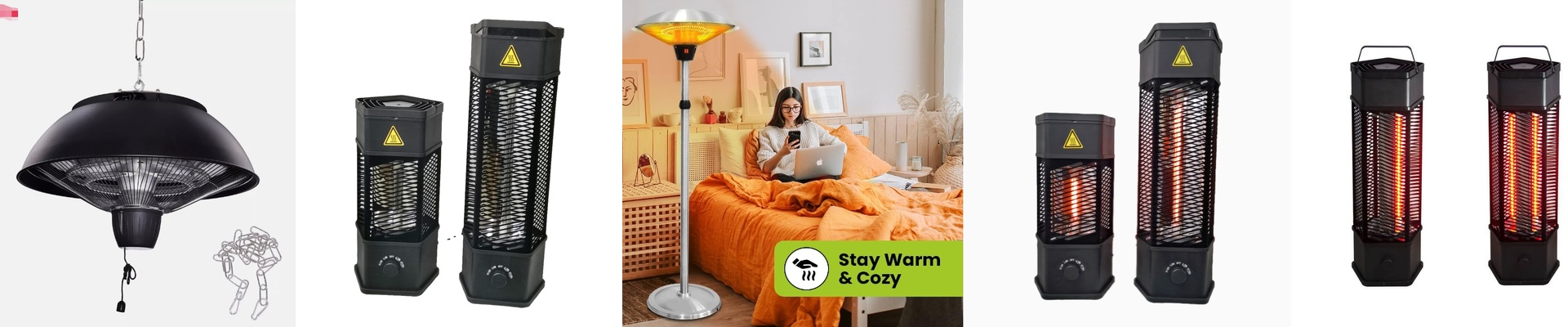
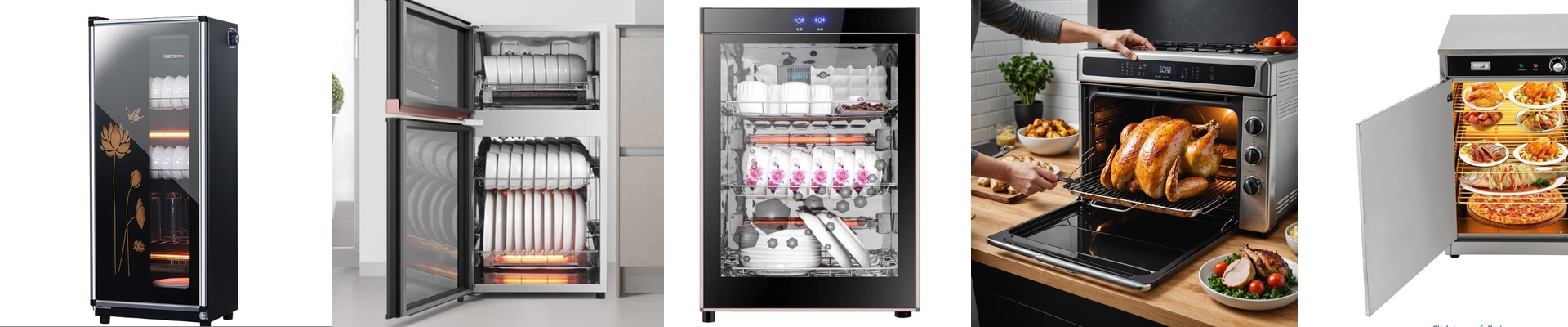
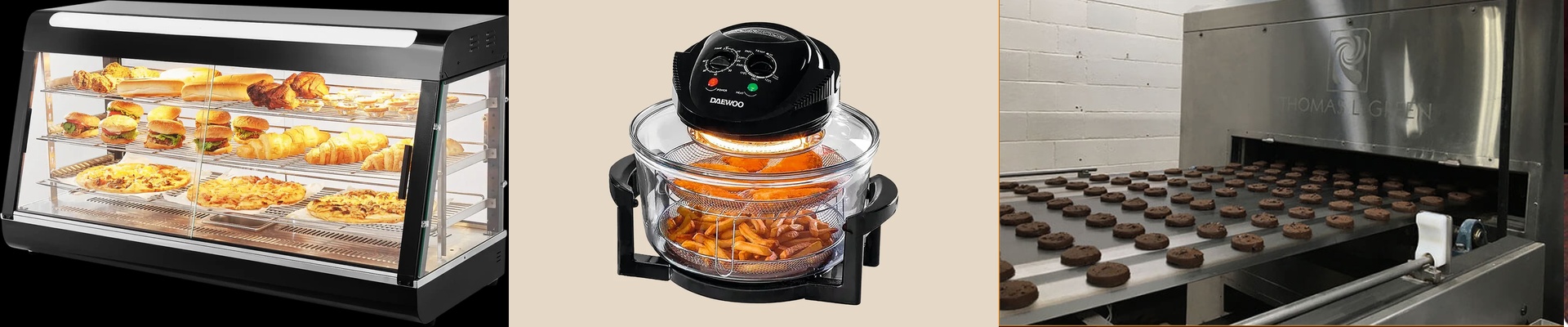
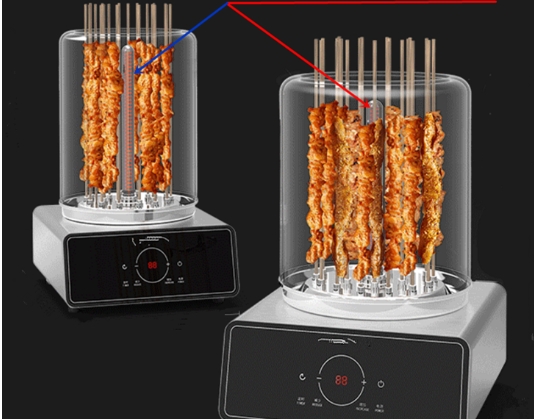
Ever notice how traditional convection ovens feel like they take forever to get going? That’s because they rely on heating the air first. You’re basically waiting for the air to get hot, then waiting for that air to heat the walls, and finally hoping some of that heat actually reaches your food. It’s a slow process. We decided to skip all that. Instead of heating the air, we use shortwave radiant heaters. These shoot infrared energy straight into the food. The result? You can go from zero to 300°C in a matter of seconds. It’s fast. Really fast. And it completely changes the way you think about baking. You aren’t “pre-heating a box” anymore—you’re searing the surface of your food the moment you hit the switch.
The Secret Sauce: Quartz and Tungsten
So, how does it actually work? It comes down to power density. We pack high-wattage tungsten filaments inside a compact quartz glass tube. The quartz is the key here. It lets the infrared energy pass right through without soaking it up. This means the heat goes where it belongs—into your meal—rather than just heating up the lamp itself. We even have some versions with a special coating. This helps the heat penetrate deep into the core of the food without burning the outside to a crisp. When it comes to the wiring, it’s pretty straightforward. Depending on your setup, you can use standard R7s or Sk15 connectors. They snap in tight, which is exactly what you want so you don’t have to worry about electrical arcing at the terminals.
A Few Things to Keep in Mind
Now, here is the tricky part: putting these in a steam oven. Water and high-voltage electricity are a bad mix. You’ve got to be obsessive about your seals and make sure your wiring can handle a damp environment. Also, remember that these lamps hit 300°C almost instantly. That kind of heat causes metal to expand and contract quickly. If your oven frame isn’t built to handle those sudden temperature swings, it’ll start to warp over time. One last tip? Use a PID controller. It lets you trim the temperature precisely so you don’t accidentally overshoot your target and ruin your dish.