
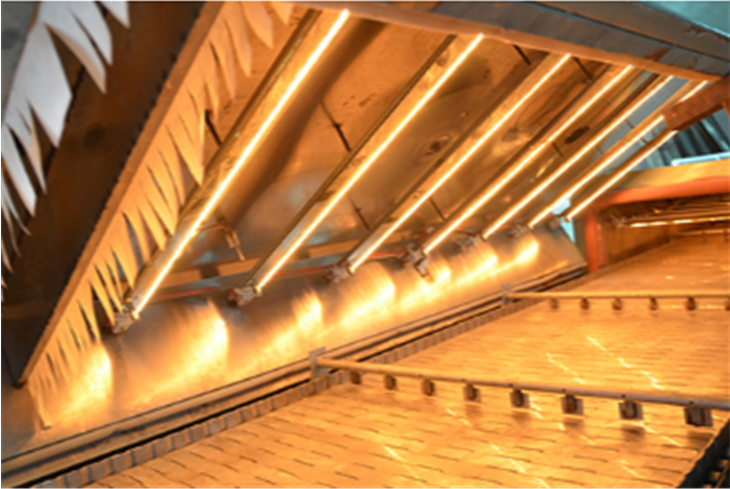
When the rush hits, your oven has to be ready—on target, right now. Then it needs to hold that heat across the stone hearth, so every pie comes out with a blistered crust and a center that actually cooks through. If your heating elements are slow to react, the deck starts bleeding heat, bake times drift, and the line grinds to a crawl.
What matters under the hood
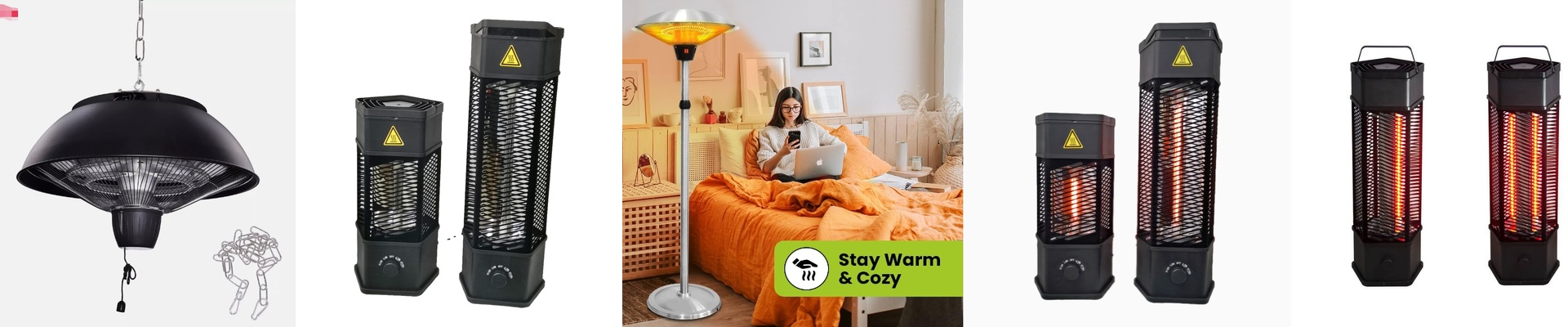
Fast-response quartz tubes deliver short-wave infrared straight into the baking chamber, coming up to temperature in seconds instead of minutes. In practice, that means a cold start from 25°C to 370°C in roughly 60–90 seconds, depending on oven load and insulation. The payoff is control: the thermostat gets immediate feedback, so overshoot drops and temperature swings shrink. Over a 12-hour service, you’ll see stable setpoints with about ±3°C variation, and a heat profile that keeps the stone edge hot while the dome manages radiant heat. That tight window is what makes caramelization and leopard spotting repeatable—shift after shift.
Why this makes sense on the line
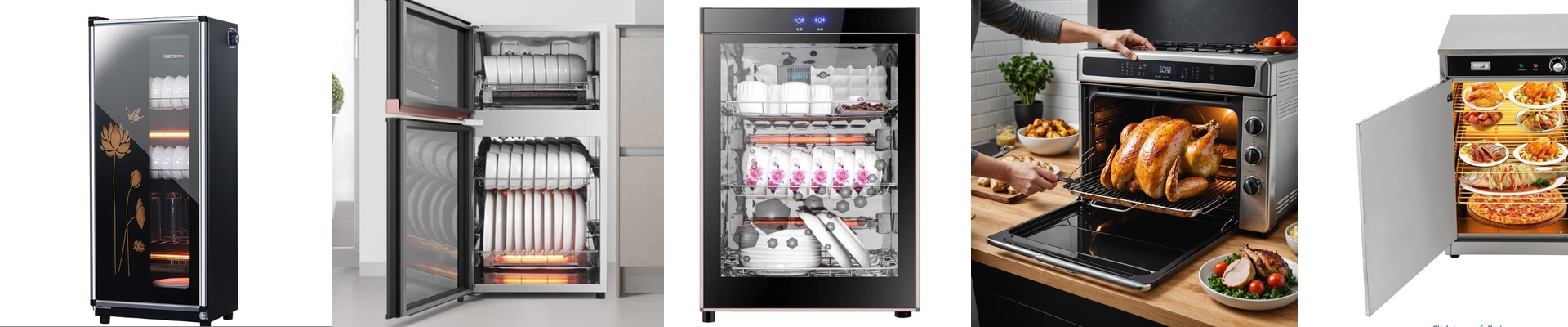
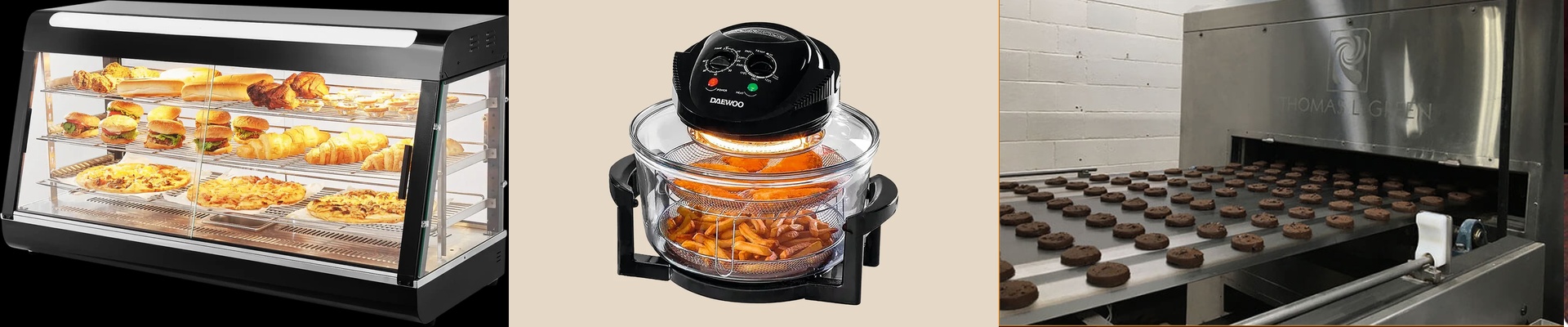
In a deck oven, the quartz tubes re-energize the stone fast after each pizza pull, so the next pie doesn’t bake slow. In a rotary oven, the quick response keeps chamber heat even as trays rotate, cutting down top/bottom imbalance and preventing soggy centers. Fewer underbakes. Fewer overbakes. And a quicker turn per bake cycle. Energy use drops because you’re not over-firing just to compensate for lag, and when service gets busy, the oven comes back to temperature the moment you need it.
What you need to know
These tubes perform best when they’re matched to the oven’s power density and mounting clearances. Keep them clean and dry, and stick to the specified spacing so the heat field distributes evenly. They aren’t plug-and-play across every model—check voltage, terminal type, and mounting bracket compatibility before ordering. Expect shorter element life if you run them continuously at maximum voltage without proper airflow and thermal cycling. Plan replacements around your maintenance schedule, not in the middle of service.