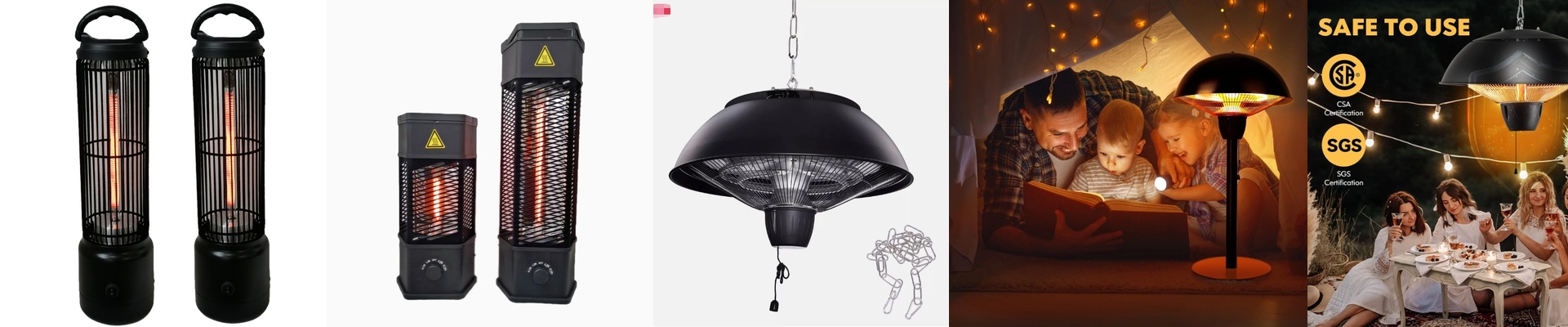
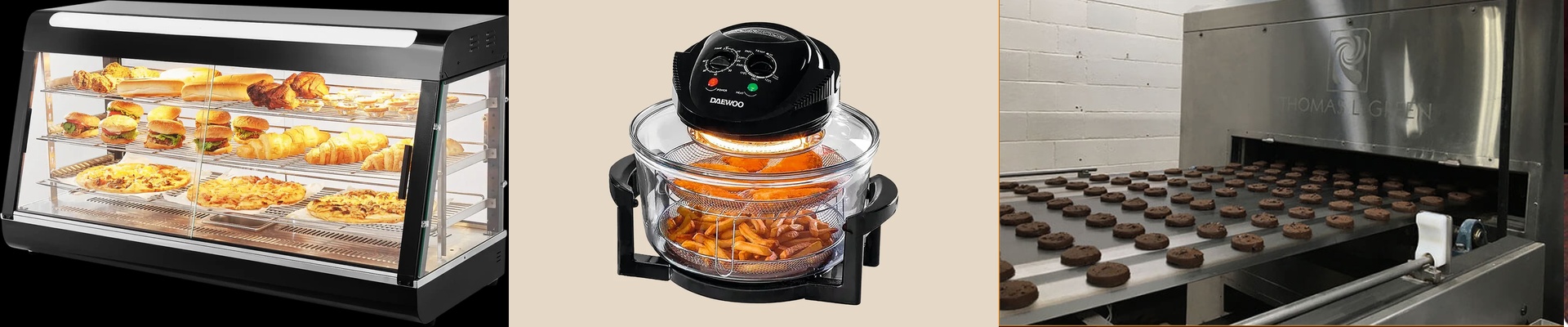
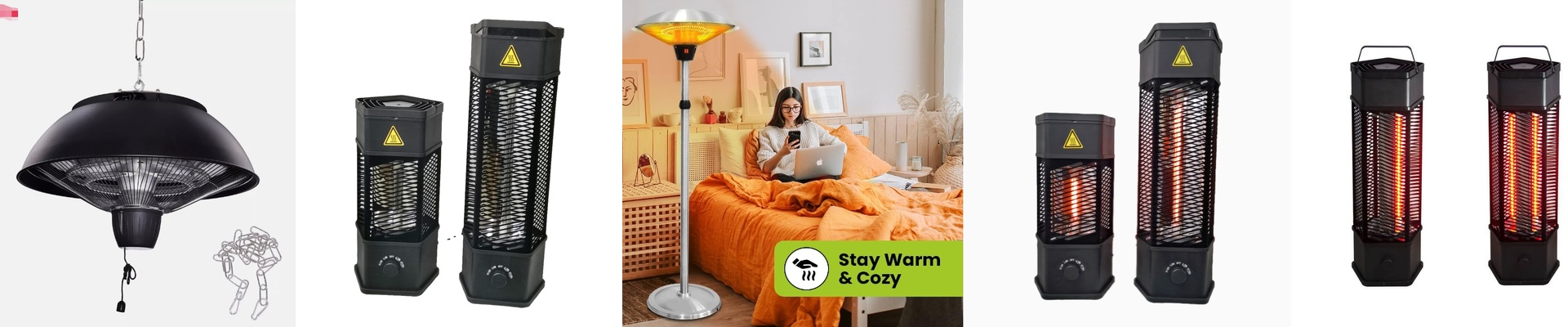
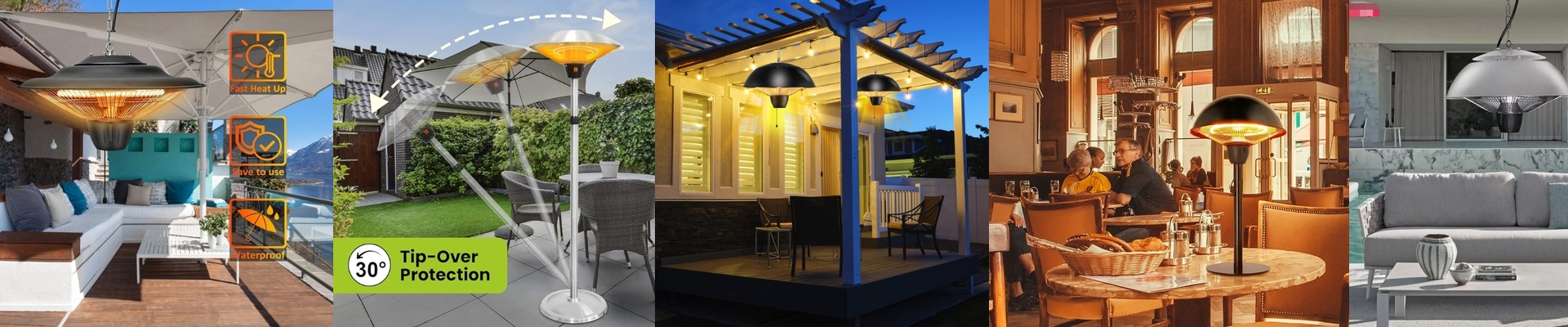
In a busy rotary oven, uneven heat shows up fast—pale bottoms, dark crowns, and a scramble to rework trays. When the heating element can’t hold steady, you lose time and you lose control over crust and color. We built our nichrome infrared lamp system to hit the rotary oven’s sweet spot: rapid response, stable output, and even coverage across every pan. Here’s the core of it. Nichrome wire delivers reliable resistance heating, and the infrared lamp focuses energy into the baking chamber without dumping heat into the air. That gives you fast heat-up and tight temperature recovery after door cycles, so the stone hearth and pans stay where you set them. In practice, you get repeatable caramelization and a finish that looks right—golden, uniform, and consistent from tray to tray. Why it works comes down to workflow and quality. Rotary ovens run on rotation, and the infrared lamp keeps the heat locked on the product line, not wasted on the frame. You get faster cycle recovery, fewer under-baked centers, and less guesswork when you dial in a bake. Energy use drops because the lamp heats the load directly, and nichrome elements hold their output over long service runs—often 5,000+ hours with minimal drop. A few practical notes. Infrared lamps need proper mounting clearance and a dedicated circuit that matches the voltage and amperage. They perform best when reflectors are clean and aligned, and they require a compatible thermostat or control that can handle the rapid response. Plan the install to match your oven’s door swing and pan configuration, and you’ll see the payoff right away—steady heat, consistent color, and a rotary oven that runs like a single, repeatable bake.