Why Your Bread Needs Infrared Heat
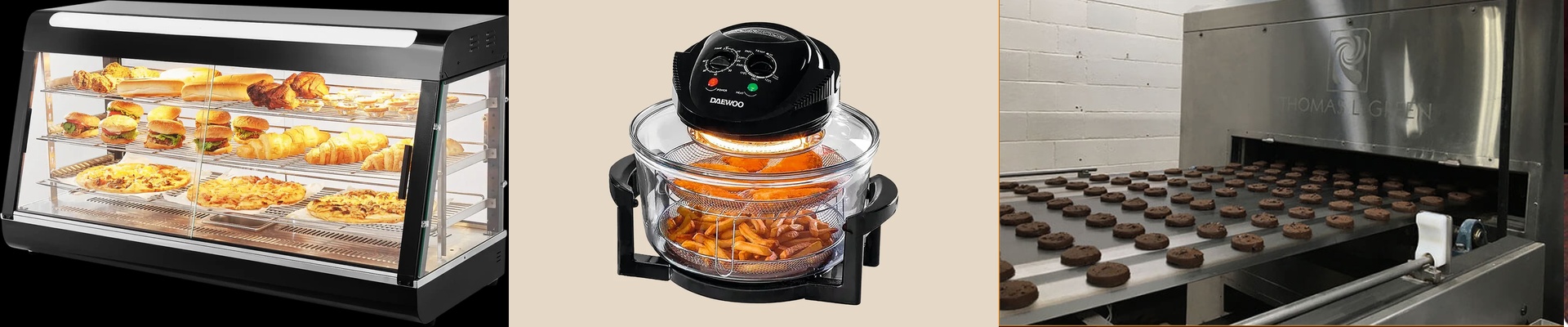
Most ovens rely on blowing hot air around to get the job done. That works fine for cooking the inside of a loaf, but it’s kind of a struggle when it comes to the crust. If you want that deep, golden-brown finish (the Maillard reaction, for the science nerds), you need a punch of high-intensity energy that air just can’t deliver. That’s where short-wave infrared (IR) heaters come in. Instant heat. No waiting. The trick to a perfect crust is hitting the surface with a sudden spike of heat without drying out the center of the bread. Standard heating elements are just too slow. They take forever to warm up and even longer to cool down. Our IR lamps are different. The moment you flip the switch, the radiation hits the dough. It’s almost instant. This means you can dial in your browning time down to the exact second. No guessing. The best of both worlds We basically built a two-pronged attack. The fans handle the heavy lifting for the core of the bread, while the IR lamps take care of the finish. And here is the best part: it doesn’t care if you open the oven door. Since IR radiation doesn’t rely on trapped air, your surface temperature stays steady even when the heat escapes the oven. It just keeps working. A quick heads-up on the hardware Now, these emitters pack a massive amount of heat into a tiny space. You can’t just toss them into an old oven and hope for the best. First, check your wiring. These lamps cycle on and off fast, which puts a lot of stress on your contactors and SSRs. If your control board isn’t built for that kind of speed, you’re going to fry your electronics. Also, make sure your ventilation is actually doing its job. You need to pull that ambient heat away from the lamp housings, or you’ll burn through your filaments way faster than you should.