
Getting Your Rotary Oven Heat Just Right
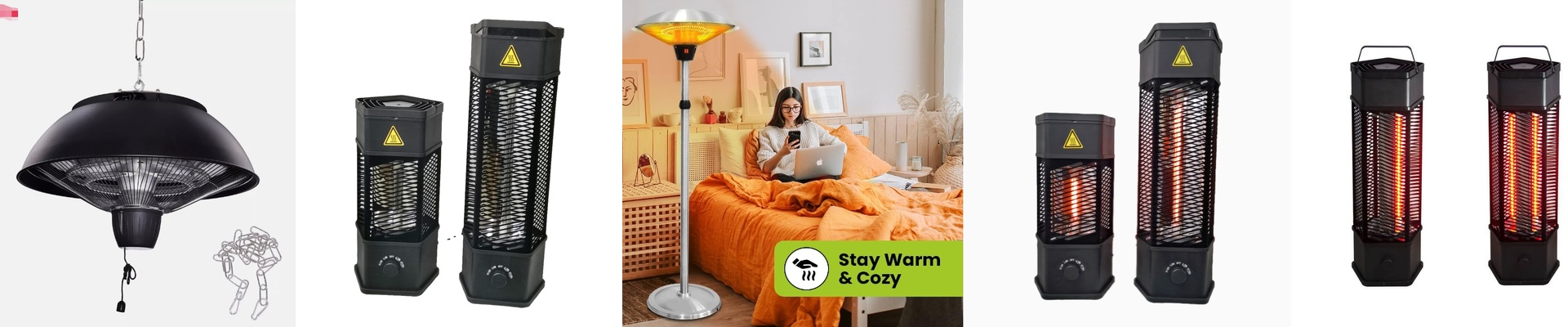
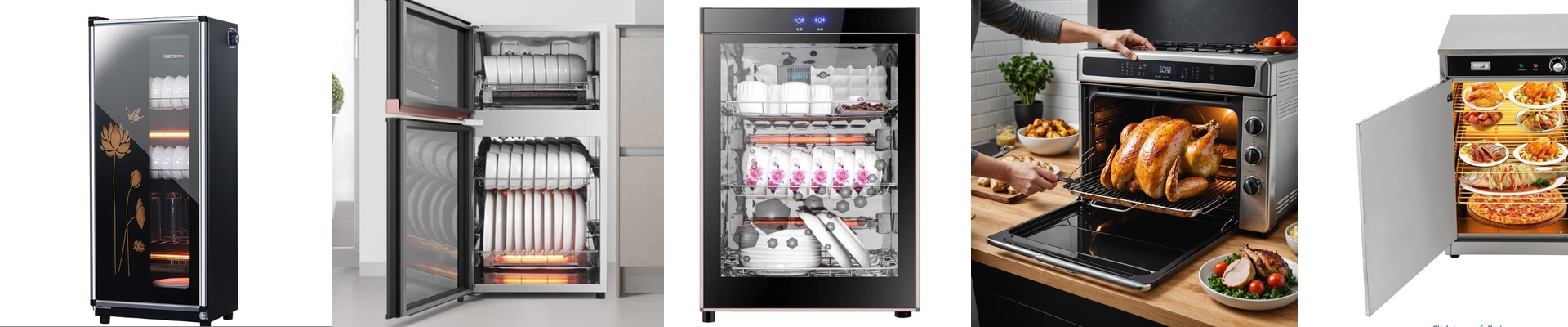
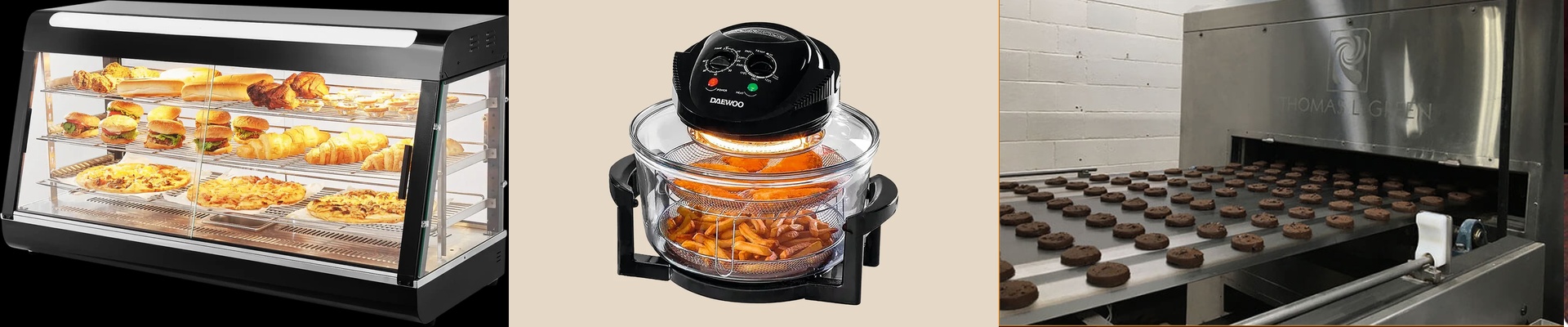
Ever pull a tray of bread out of the oven only to find some loaves are charred while others are barely baked? It’s frustrating. That’s why we rely on constant movement and twin quartz infrared (IR) heaters. Instead of just blowing hot air around—which can be hit or miss—IR sends energy straight into the dough. It’s a direct hit.
How we get that 360-degree bake
To kill off those annoying blind spots, we arrange these quartz tubes in a specific pattern around the rotating rack. We use a “twin” setup, meaning two filaments are tucked inside one quartz tube. It’s a clever bit of design. You get double the heat in the same amount of space. As the rack spins, those IR waves overlap, wrapping your product in a blanket of heat. The dough doesn’t have to sit around waiting for a breeze of hot air; it just absorbs the energy instantly.
The nitty-gritty on Quartz and Halogen
We stick with high-purity quartz glass because it can handle the shock of heating up and cooling down fast without cracking. These tubes use short-wave IR. In plain English? They penetrate deeper into the food, so the center reaches the right temperature much faster. When a tube eventually burns out—and they will—most of our setups use standard R7s or Sk15 connectors. You just pop the old one out and drop a new one in. Simple. One heads-up: keep an eye on your voltage. If you’re running a 230V or 400V system and it spikes, you’re going to kill your filaments way faster than you should. I always suggest pairing these with PID controllers. It stops the heat from overshooting and keeps things steady.
The trade-offs you should know about
Here’s the thing: high-density IR is fast, but it’s aggressive. If you crank the wattage too high, you’ll sear the crust before the middle is even cooked. You’ve got to find that sweet spot between the heat intensity and how fast the oven is spinning. Also, remember that quartz is fragile. It’s glass, after all. If your oven is vibrating too much or the rack bumps into an element, the tube will shatter. Make sure your mounting brackets are tight and your clearances are spot on. It saves you a lot of headache in the long run.