
Making Your Outdoor Heaters Actually Smart
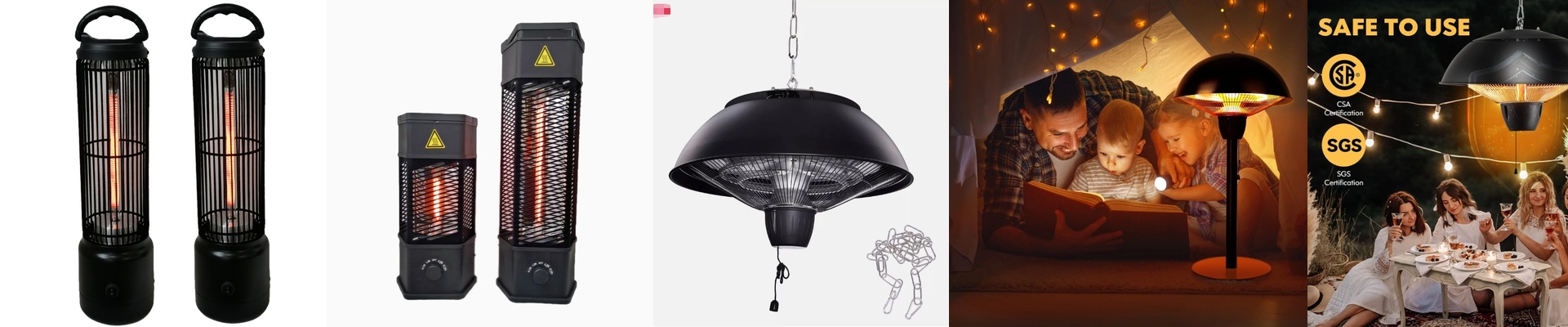
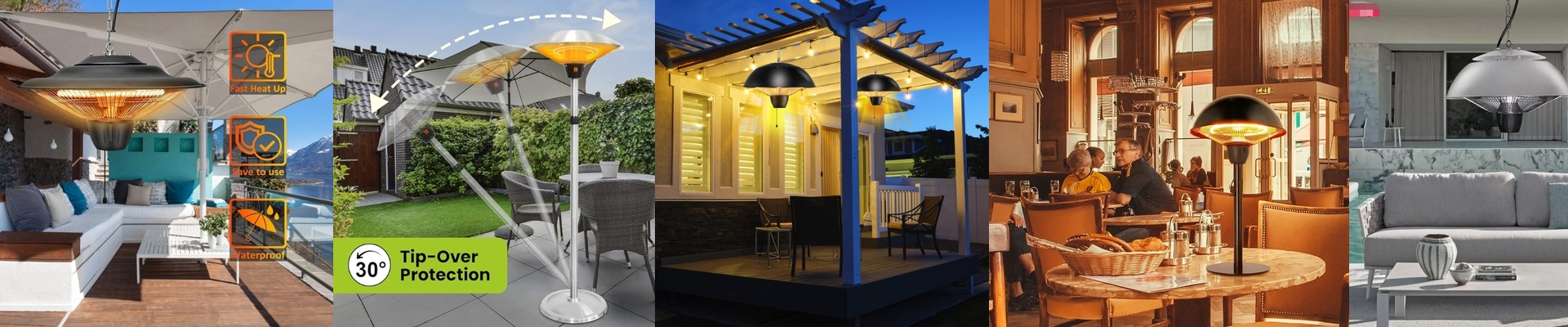
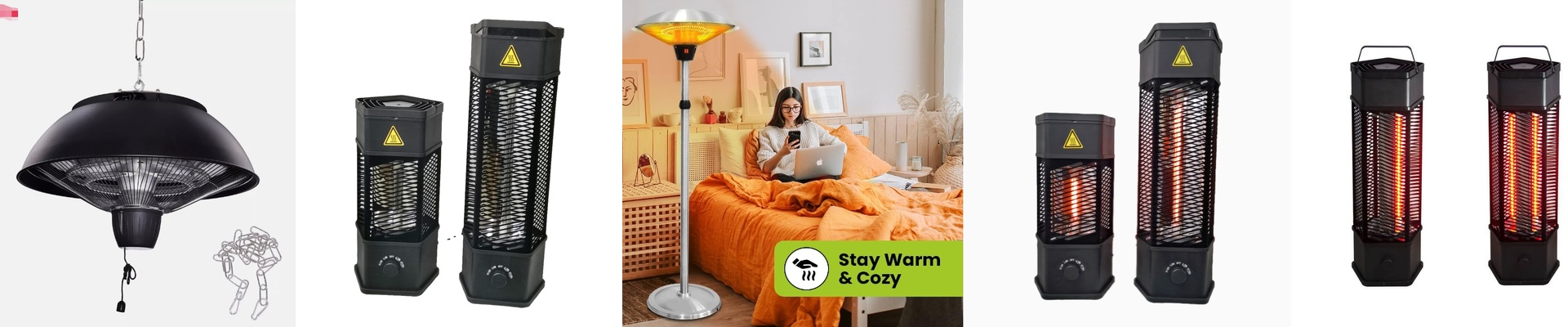
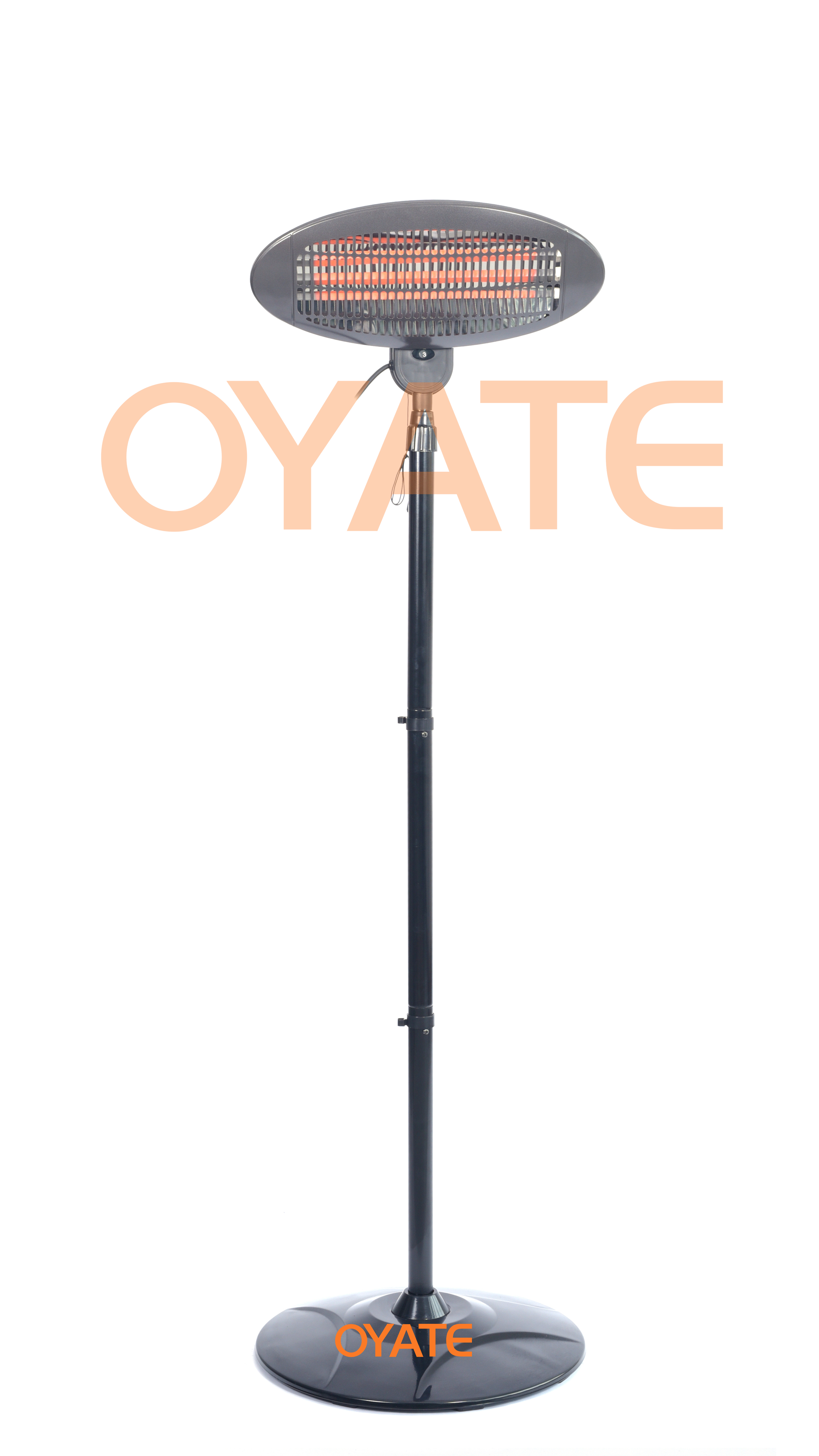
Let’s talk about those waterproof infrared heaters. Most people think they just blow hot air, but it’s actually more like standing in the sun. They use short-wave infrared to beam heat directly at you and your guests. No waiting around for the air to warm up. We build these things specifically to handle the chaos of the outdoors—rain, wind, and those weird temperature drops that happen right when you sit down.
Getting it to Work With Your Phone
If you’re still messing with manual dials on a wall, you’re doing it the hard way. To get that “one-tap” feeling, we use smart relays or Wi-Fi controllers. Think of the controller as the middleman. It sits between your power outlet and the heater. When you tap a button on your phone or tell your voice assistant to turn on the heat, the relay snaps shut and sends power straight to the tubes. The best part? It’s instant. There’s no ceramic plate that needs to warm up first. You hit the switch, and you feel the heat in seconds.
Keeping Things Safe (and Dry)
Since this is all happening outside, water is the enemy. We use IP-rated enclosures—usually IP44 or better—which is just a fancy way of saying we use sealed gaskets and tough housings to keep the guts of the machine dry. But here is a pro tip:watch your wiring. These heaters pull a lot of power. If you use a cheap, flimsy smart switch that isn’t rated for the wattage, the contacts can literally melt or weld shut. It’s not pretty. If your smart switch can’t handle the load, just use a heavy-duty contactor to do the heavy lifting.
The Reality Check
Now, adding smart tech is great, but it does add a bit of a headache to the setup. Here’s the thing: if your Wi-Fi goes down or your router decides to quit, you’re left shivering on your patio. That sucks. To stop that from happening, I always suggest putting in a manual override switch. That way, if the “smart” part of your home has a bad day, you can still flip a physical switch and get warm. Simple.