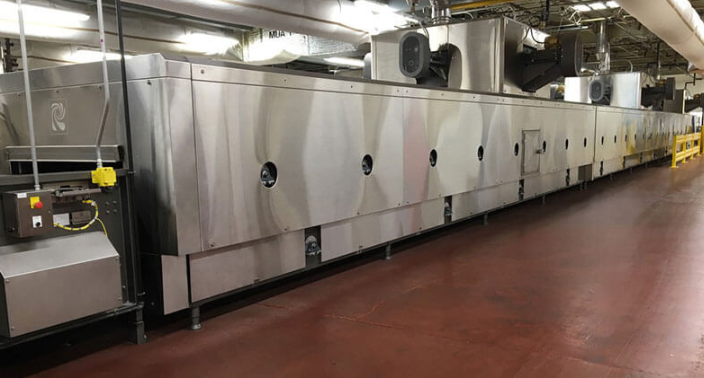
Getting Your Sterilization Cabinet Up to Temp—Fast
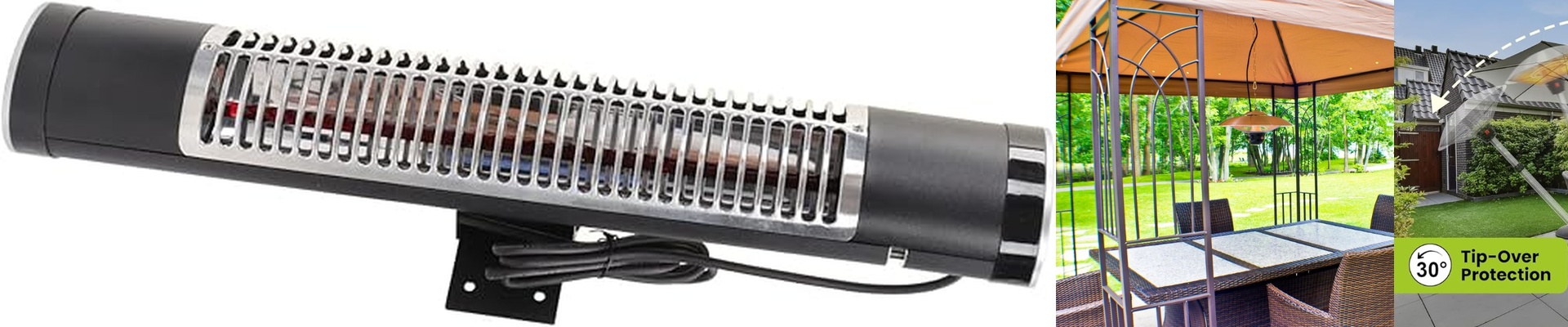
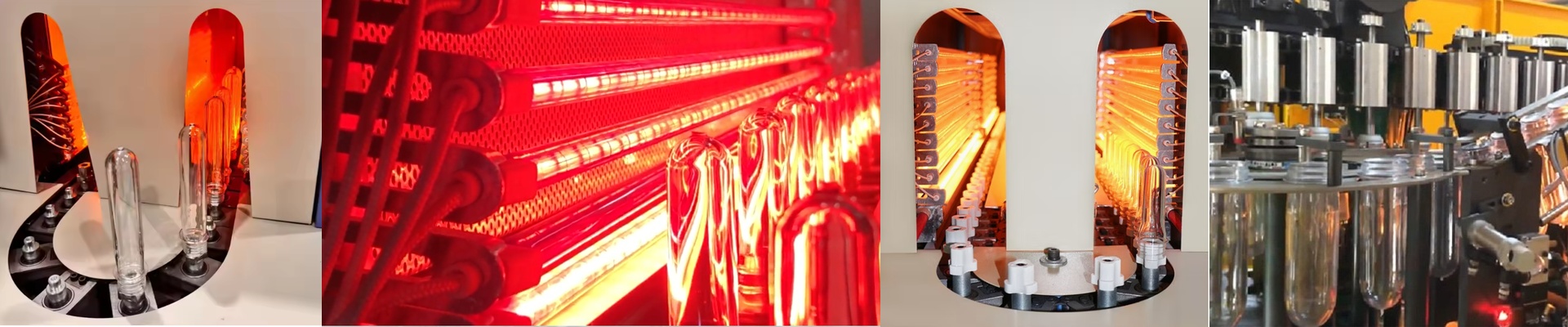
If you’re trying to hit sterilization temperatures in a matter of seconds, those old-school resistive heating elements just aren’t going to get the job done. They’re too slow. That’s why we use 110V short-wave infrared (IR) lamps. Think of it like an “instant-on” switch. Instead of wasting time heating up all the air in the box, these lamps beam energy directly onto the surface of whatever you’re cleaning. Why this actually works Most commercial bread ovens and sterilization cabinets run on 110V, so it fits right in. We use a halogen-filled quartz envelope, which is just a fancy way of saying we can crank the heat way up without the filament snapping. The result? A high-intensity beam that digs right into the surface of your target. You get a response time measured in seconds. It’s the only real way to kill off bacteria thoroughly without spending a fortune on electricity just to heat up the metal walls of the cabinet. The nitty-gritty on hardware We use quartz glass tubes because they let the IR light pass through without blocking it. Plus, we’ve used standard connectors, so if you’re replacing an old oven array, these should just slide right in. Now, here is the catch. This stuff puts out a massive amount of heat in a small space. You can’t just cram these lamps together. If you do, you’ll probably bake your cabinet walls. You’ve got to be smart about your ventilation or add some heat shielding to handle that radiant load. A few warnings from the workshop Short-wave IR is aggressive. It’s great for killing microbes, but it doesn’t play nice with certain plastics or coatings. If you leave them on too long, you’ll end up with warped fixtures and a mess. You’ll want a precise timer or a PID controller. The second you hit your target temp, the lamps need to shut off. No exceptions. And one last thing:**use high-temp leads.**Don’t try to save a few bucks with standard PVC wire. It’ll melt the moment those lamps kick in.