Cutting Pizza Bake Times with Shortwave IR
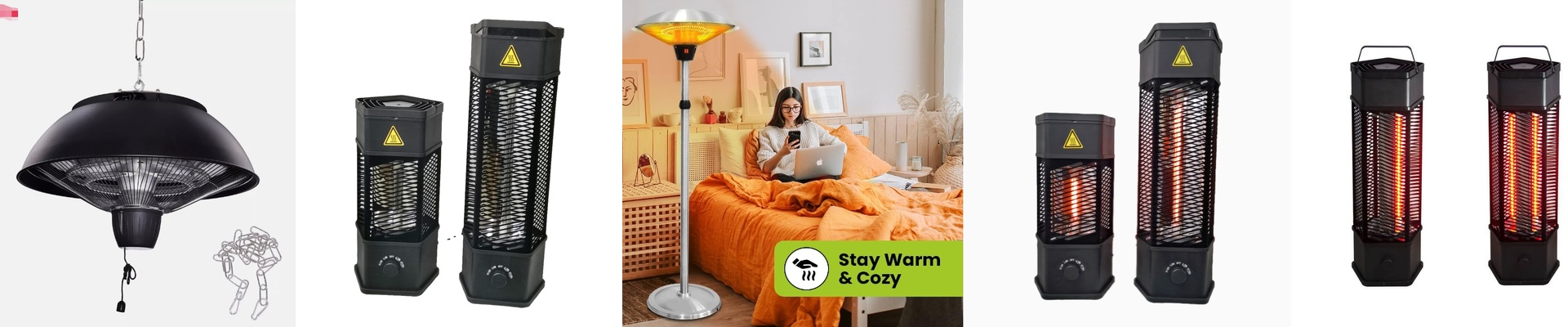
If you want to drop your bake time from five minutes down to 90 seconds, you can’t just crank up the oven dial. That’s not how it works. The problem is the air. Standard convection ovens rely on hot air to move heat, and air is just… slow. We take a different route. We use shortwave infrared (IR) lamps. Instead of waiting for the air to warm up, these lamps beam energy directly into the dough. The secret is in the speed. Because shortwave IR hits at a higher frequency, the heat sinks into the crust and toppings almost instantly. We use high-wattage lamps to create a massive burst of heat. This kicks the Maillard reaction—that magic chemistry that gives you a charred crust and bubbly cheese—into overdrive. You get that perfect finish in a fraction of the usual time. For the gear, we stick with quartz-halogen tubes. Why? Because they can handle the shock of heating up and cooling down rapidly without cracking. We also use controllers to pulse the power. It’s a smart move because it keeps the top of the pizza from turning into a charcoal briquette while the center is still raw. One heads-up: check your wiring. These lamps pull a lot of juice when they first kick in. If your power supply is shaky, you’ll get voltage drops, and your cook times will all over the place. But here’s the catch. When you’re baking for 90 seconds instead of five minutes, your margin for error disappears. A 10-second mistake can mean the difference between a perfect pie and a ruined one. You’ll need to get your sensors and timers dialed in exactly. Plus, your crew is going to have to change how they work. The rhythm of the kitchen shifts when the oven is this fast. It might be a simple swap of the heating element, but it changes the whole vibe of your production line.