Stop the Burn-out Cycle on Your PET Blowing Lines
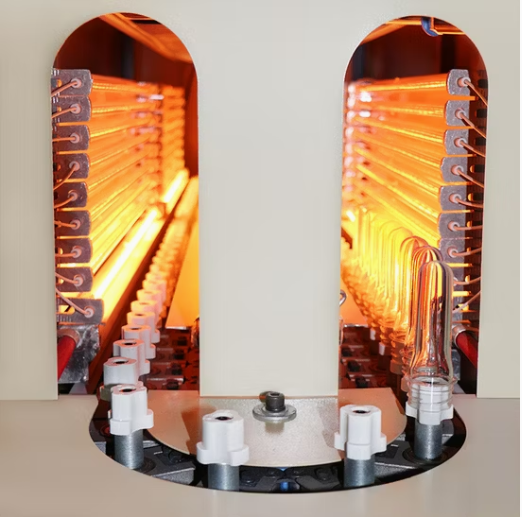
If you’re running SIG Blomax or Krones Contiform 3 Pro lines, you know the drill. One minute everything is humming along, and the next, a lamp pops. It’s frustrating. Usually, it’s just a mix of brutal heat and constant vibration shaking the life out of the tubes. We got tired of seeing that happen, so we rebuilt our replacement lamps to actually hold up. Dealing with the heat To get those PET preforms to the right temperature before they blow, you need a ton of power. But that kind of heat density is a nightmare for the quartz envelope. Most tubes just can’t take it and start to bow. We used a heavier-wall quartz construction to keep things straight and sturdy. Just a heads-up: if you’re pushing these to the limit, keep an eye on your oven’s airflow. If your reflectors get clogged, the lamp will overheat, and no amount of reinforcement can save it from that. Built for the shake Most lamps don’t just “burn out”—they fail at the pinch seal or the connector. High-speed blowing machines vibrate like crazy, and those weak points just snap. We beefed up the end-caps to handle that mechanical stress. The best part? They’re drop-in replacements. You don’t have to mess with your wiring or change your footprint. We also tightened up the connector specs to stop the arcing that usually kills the ends of the lamp. The trade-off Here’s the honest truth: because the quartz is thicker, these lamps have a bit more thermal inertia. That means they take a few extra seconds to hit full temp when you first flip the switch. You might need to tweak your warm-up timers slightly. But once they’re up and running? They’re rock solid. You get a steady heat that kills off those annoying “cold-spots” in your preforms. Fewer rejected bottles, less scrap on the floor, and way less time spent replacing bulbs.