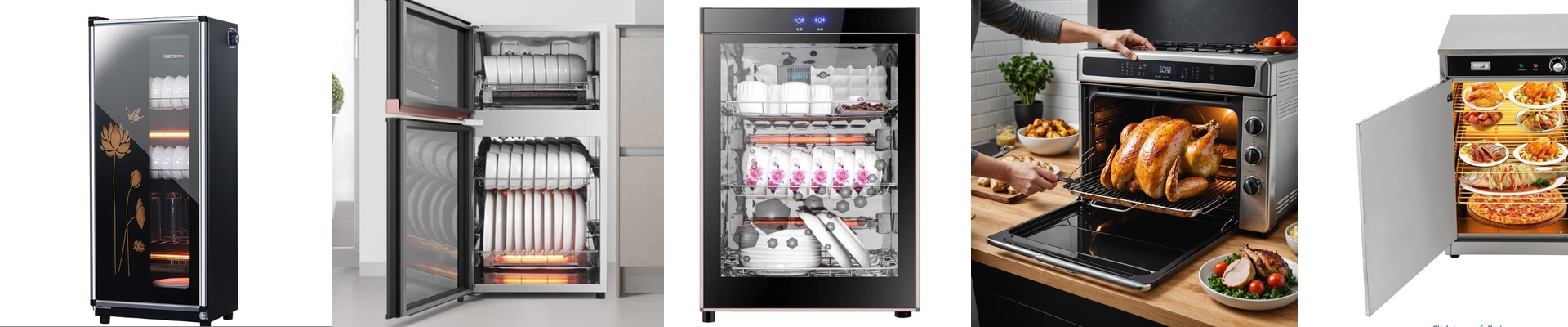
How to Speed Up Your Bakery Line Without Burning the Bread
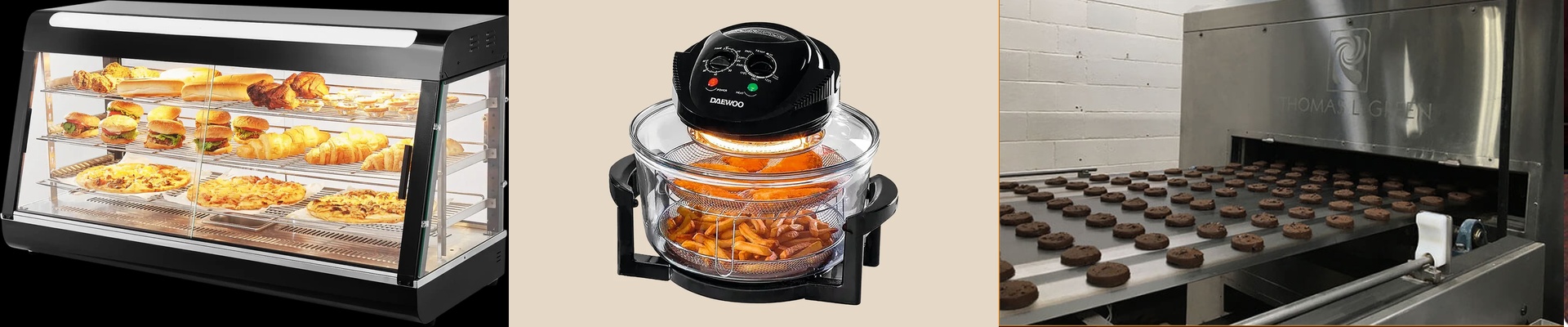
Ever feel like your browning or curing stage is just holding everything else up? It’s a common headache. You want to push more product through the line, but you’re stuck. The problem is usually the air. If you’re relying on convection, you’re basically waiting for hot air to do the heavy lifting, and air is just too slow. That’s where Nichrome quartz tube heaters come in. Instead of heating the air and hoping it reaches the food, these lamps blast direct radiant energy straight into the product. It hits the surface instantly. You get that perfect finish in a fraction of the time, which means your product spends less time idling in the oven. Why quartz and Nichrome? It comes down to the gear. We use Nichrome wire because it can take the heat without falling apart or oxidizing. Then we wrap it in a high-purity quartz envelope. The quartz is the secret sauce. It lets short-wave infrared radiation pass right through without soaking up the energy. Instead of warming up the whole oven cavity, the heat goes exactly where it needs to go: your dough. It’s a much faster response. Getting more power in less space If you want to move more pieces per minute, you need more punch per inch. We do this by tightening the Nichrome coil and tweaking the voltage to create these high-density heat zones. The best part? You can actually shrink the size of your oven but keep the same bake quality. Just a heads-up: these high-wattage tubes are thirsty. They pull a lot of current. If you’re cranking them up to the max, double-check your wiring and contactors. You don’t want your terminals burning out right in the middle of a rush. The trade-offs Look, these lamps are fast, but they’re delicate. Quartz is basically glass. If your conveyor vibrates too much or if someone touches the tubes with oily fingers during a swap, they can crack. To stop that from happening, use dedicated mounting brackets to keep the tubes isolated from the machine’s shaking. And one last thing: because these are so intense, they don’t play well with slow belts. If your line crawls or stops unexpectedly, you’ll end up with scorched product. I’d highly recommend a fast-acting PID controller. It modulates the power on the fly so you aren’t tossing half your batch in the bin.