Getting Your Husky HyPET Heating Right
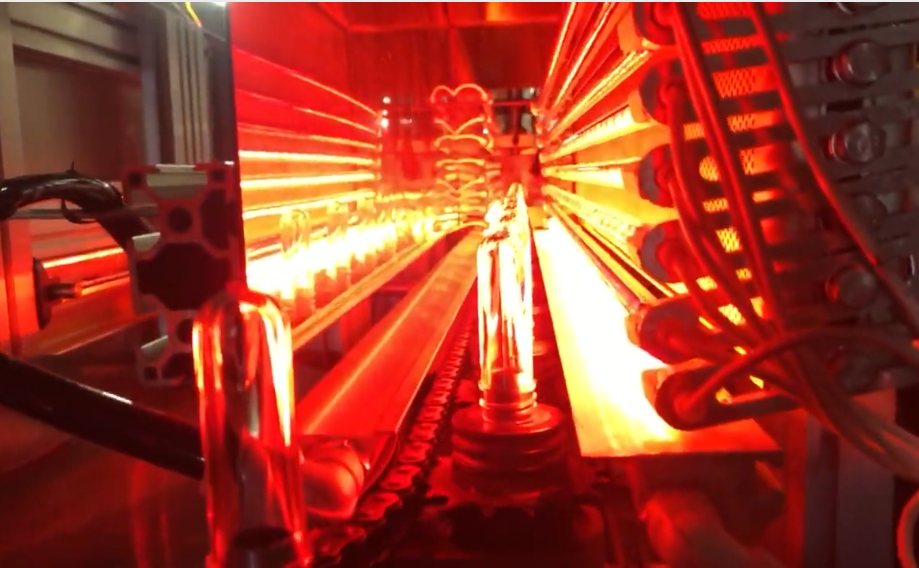
If you’ve spent any time with a Husky HyPET system, you know the struggle. You’re trying to push high speeds, but those thick-walled preforms are a pain. Usually, you end up with a bottle that has uneven walls because the heat just isn’t hitting the center—it’s all stuck on the surface, often scorching the plastic before the core even gets warm. That’s exactly why we built our 400V IR radiators. How it actually works We went with a 400V setup because it lets us pack a lot more punch into a small space. By bumping up the voltage, we can push more energy through the tungsten filament without needing a giant, clunky tube. The result? Concentrated shortwave IR. Think of it as a deeper reach. Instead of just baking the “skin” of the PET, these waves actually sink into the material. It gets the heat where it needs to be, which means your bottle walls come out consistent every single time. The nitty-gritty stuff We use high-purity quartz glass and a specific halogen cycle so the filaments don’t just burn out and evaporate. We also add a targeted coating to the quartz. It’s a small detail, but it ensures the heat hits that perfect “sweet spot” where PET absorbs energy most efficiently. And for the people worried about installation: these are drop-in replacements for Krones-spec systems. We use standard industrial connectors, so you can swap them out during a changeover without needing a degree in electrical engineering. A quick heads-up Now, there is a trade-off. Because these lamps are so powerful, they put off a lot of ambient heat around the oven housing. If your cooling blowers are clogged or just too weak, your reflectors are going to overheat. Keep an eye on your airflow. If the quartz gets hit with too much thermal shock, it’ll crack. But, if you get your cooling dialed in? You can seriously cut down your heating cycle time. You get to crank up the machine speed and actually trust that your bottles aren’t going to fail.