



Getting Your SACMI Blow Molding Lamps to Actually Keep Up
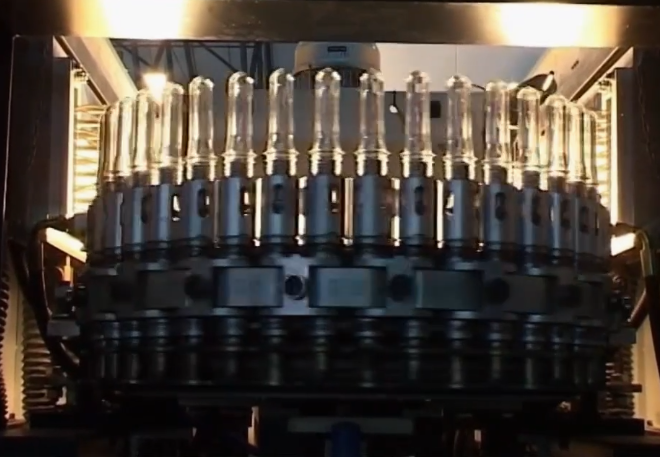
If you’re running SACMI rotary machines, you know they don’t exactly “take it slow.” Everything happens in a blur. Your preforms have a tiny window—literally milliseconds—to hit the exact temperature they need. When your IR lamps lag during start-up or can’t keep the pace during a cycle, you see it immediately in the product. You get those annoying thin spots in the walls or “pearling” that ruins a whole batch of bottles. It’s frustrating, and it’s expensive.
Speed is everything
We spent a lot of time thinking about thermal inertia—basically, how long it takes a lamp to actually get hot. To keep up with the rhythm of a SACMI line, we trimmed down the filament mass and tweaked the quartz envelope thickness. It sounds like a small detail, but a lighter filament hits operating temperature way faster. We paired that with high-wattage density so the PET preform drinks in that infrared energy the second it hits the oven. It just works. Fast.
The hardware side of things
You don’t want to spend your afternoon fighting with parts that don’t fit. That’s why we built these as simple drop-in replacements for SACMI specs. We use high-purity quartz glass because it can handle the “shock” of being switched on and off rapidly without cracking. We also obsessed over the connectors. They’re precision-machined for a tight fit, because a loose connection is a recipe for arcing and a burnt-out lamp. Depending on your power supply, we’ve got a few different voltage and wattage options. High-voltage tubes are great for longer lengths since they don’t pull as much current, but just make sure your wiring can handle the heat.
The trade-off (and how to handle it)
Here’s the honest truth: pushing a ton of heat into a small space puts a lot of stress on the glass. If your cooling blowers are dusty or acting up, your lamps are going to burn out a lot faster. It’s as simple as that. Keep your airflow clean, and your tubes will last much longer. One more tip? Check your lamp sockets every 3,000 hours. Get rid of any carbon buildup before it becomes a problem, and you’ll save yourself a lot of downtime.