Why we put our bathroom lamps through a “humidity hell”
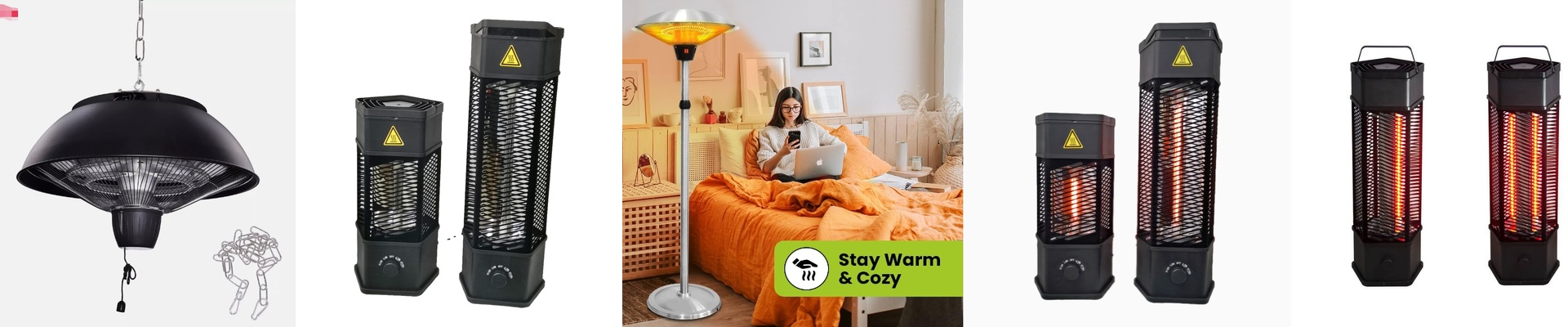
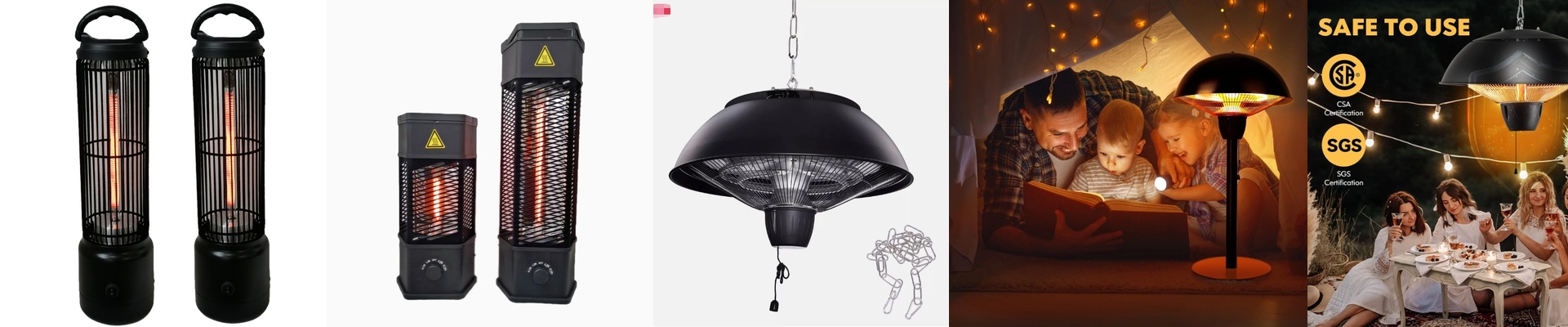
Let’s be honest: bathrooms are a nightmare for electronics. You’ve got thick steam, random splashes of water, and those wild temperature jumps from freezing cold to scorching hot in a matter of minutes. For an infrared lamp, the real battle happens at the seal—the spot where the quartz tube meets the electrical terminals. If even a tiny bit of moisture sneaks in there? The whole thing shorts out. And nobody wants to deal with a dead lamp in their ceiling.
Simulating years of steam in a few weeks
We don’t just hope for the best. We use damp-heat aging tests to see if our lamps can actually handle the heat (and the wet). Basically, we lock them in a chamber that’s hot, humid, and completely saturated. It’s like a permanent sauna. This forces water into any microscopic gap or weak spot in the sealant. Most of the time, the trouble starts at the contact points. When water vapor settles on those terminals, it creates a path for electricity to leak. By pushing the lamps to their limit in the lab, we find the breaking point before the product ever makes it into your home.
It’s all about the materials
A basic quartz lamp isn’t going to cut it here. We use specific gaskets and waterproof coatings to keep the guts of the lamp dry. But here’s the tricky part: these materials have to survive a brutal cycle. They go from room temperature to 500°C over and over again. We’re constantly checking to make sure the connectors don’t rust and the wiring doesn’t get brittle and snap.
The balancing act
There is a bit of a catch, though. If we make the waterproof seal too tight or too rigid, the quartz tube will actually crack as it expands when it heats up. It’s a total balancing act. We need the seal to be tight enough to block water, but flexible enough to let the glass “breathe.” Our aging tests are how we find that sweet spot. It’s the difference between a lamp that lasts for years and one that snaps the moment you flip the switch.