

Why We Stopped Making Our Heaters a Pain to Fix
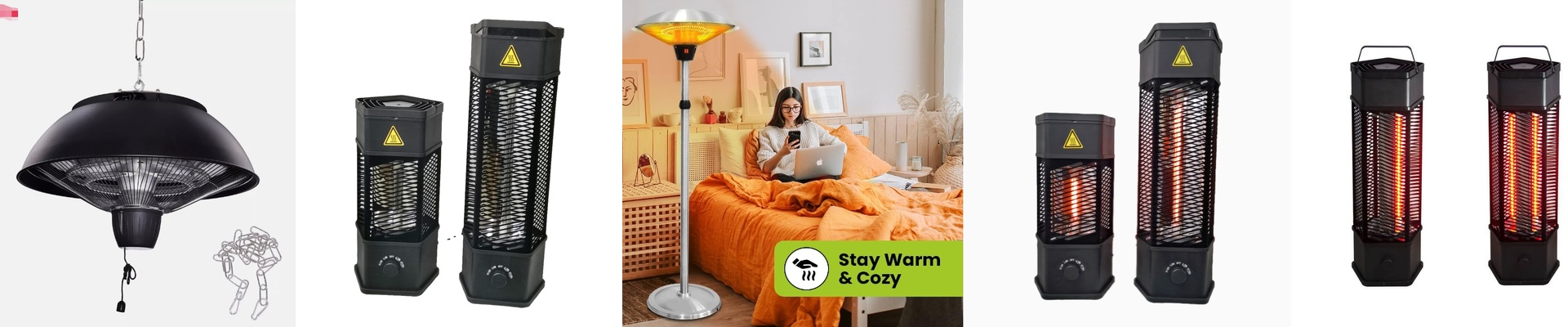
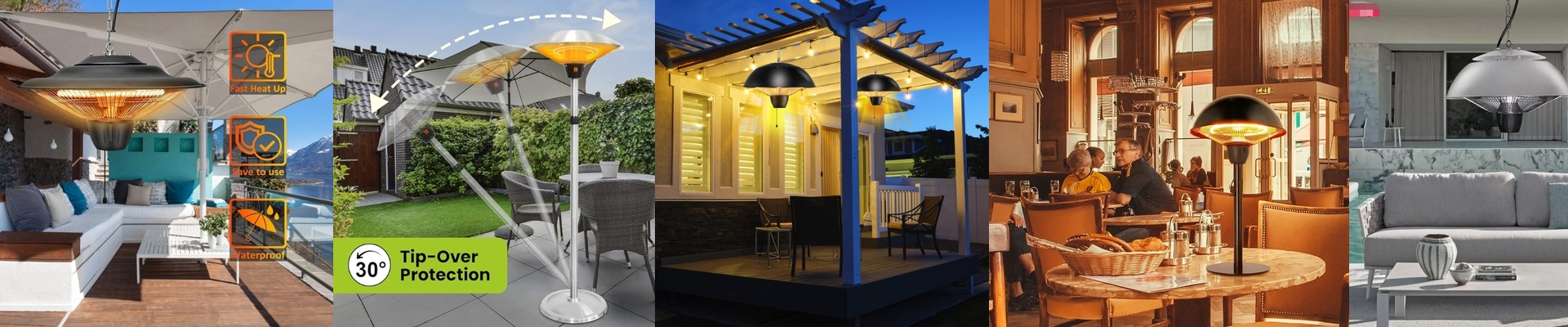
Keeping a garden heater dry is easy enough. You seal it up tight, hit that IP65 rating, and call it a day. But here’s the problem: when you seal something that tightly, you basically turn it into a vault. If a part breaks, you’re in for a nightmare. Most heaters on the market force you to tear the whole thing apart just to replace one burnt-out element. It’s tedious, frustrating, and honestly, a waste of time. So, we decided to do things differently. We went modular.
Swapping Parts Without the Headache
Let’s be real: infrared tubes don’t last forever. After five or so years of battling the elements, they start to lose their punch or just give up entirely. In a standard sealed unit, replacing that tube means breaking the weather seal or messing around with the entire internal wiring. It’s a mess. We changed that by putting the heating element in its own little cartridge. Think of it like a plug-and-play module. You just unscrew a few fasteners, pull out the old tube, and slide a new one in. The best part?**The main weather-sealed housing stays shut.**You aren’t standing in the rain fighting with delicate wires and hoping you didn’t let moisture sneak inside.
The Trade-off (and Why It’s Worth It)
Now, using connectors instead of hard-wiring things does add a potential point of failure. We know that. To fix it, we used heavy-duty, vibration-resistant terminals so you don’t have to worry about arcing. Sure, it makes the heater a tiny bit larger. But in exchange, you get your afternoon back. Maintenance that used to take hours now takes a few minutes. You don’t need to hire a full electrical crew for a simple swap. Anyone with basic tools can drop in a new module without ruining the seal.
Real World Results
When a tube burns out in year five, you shouldn’t have to throw the whole heater in the scrap pile. By just replacing the module, you keep the heater running and avoid that nasty corrosion that happens the first time you crack open a sealed chassis after years of neglect. It’s just a more practical way to handle high-traffic outdoor spaces. Simple. Fast. Done.