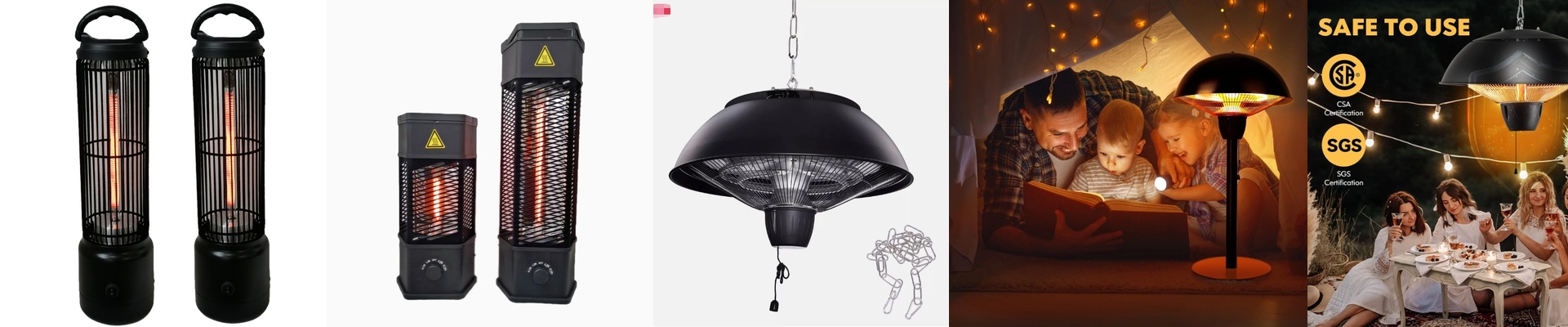

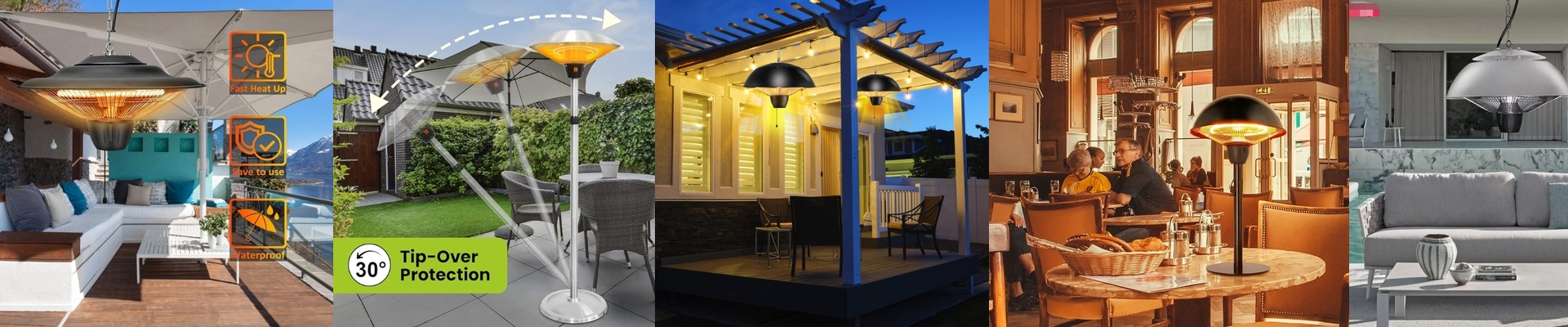
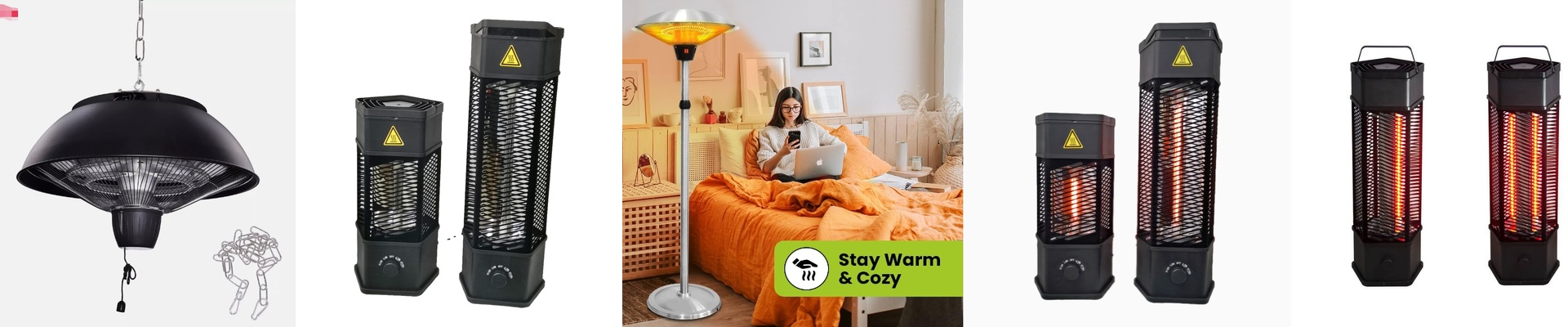
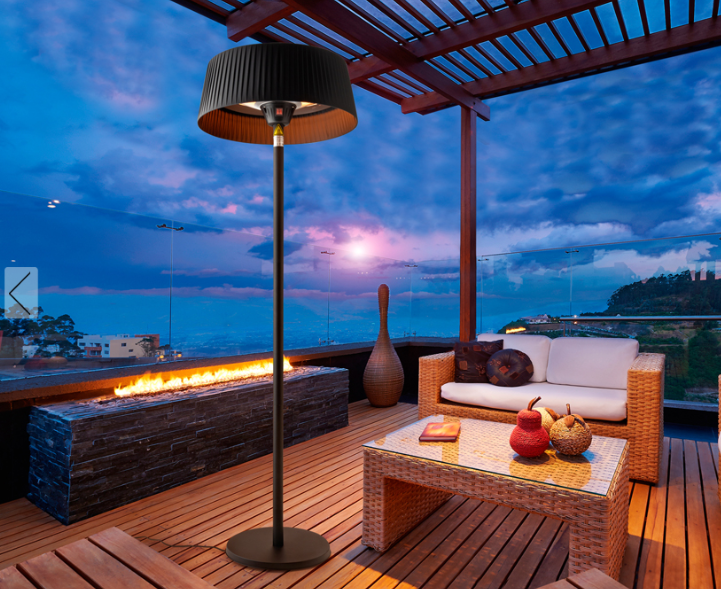
Keeping Your Pergola Warm (Without Your Heaters Dying in a Month)
Let’s be honest: putting a heater in a pergola is a gamble. You’ve got humidity, morning mist, and those random splashes of rain that find their way in. Most standard infrared lamps just can’t hack it. Moisture sneaks into the electrical contacts, sparks a short circuit, or eats away at the filament until the whole thing just quits. It’s frustrating. You just want to sit outside with a drink, not troubleshoot a dead heater.
How we stop the moisture from winning
We spent a lot of time figuring out how to keep the water out. The secret isn’t some magic trick; it’s just better sealing. We use high-temperature silicone gaskets and reinforced housing to lock down the connection points. Basically, we’ve built a wall that stops water from creeping into the wiring. Then there’s the glass. If you’ve ever seen a foggy mirror, you know how condensation works. On a hot quartz tube, those tiny water droplets create “cold spots.” When the glass is screaming hot in one spot and cold in another, it stresses the material. Eventually? It cracks. To fix that, we added an anti-fogging coating. It keeps the surface clear, so the heat pushes out evenly and the glass stays intact.
A quick heads-up on installation
Here’s the thing: when you add all this waterproofing, you’re adding physical shields. That means the air doesn’t move around the chassis quite as freely as it would on a cheap, open-air model. Just make sure your mounting brackets give the unit some breathing room. You don’t want the housing to overheat just because it’s squeezed too tight against a beam.
Does it actually work?
The goal here was to move the “breaking point.” Instead of the electronics frying because of a rainstorm, the only thing you have to worry about is the natural wear and tear of the filament over time. It means your heater can actually take a beating from the weather without you having to buy a brand-new one every single spring. Just a pro tip: wire it up to a GFCI-protected circuit. It’s the safest way to handle power outdoors.