
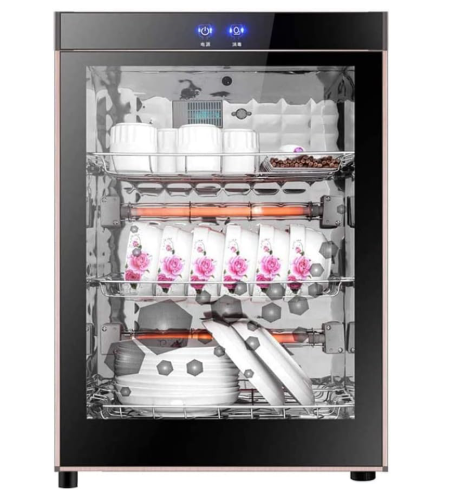
Getting That Perfect Crust: Why We Use Quartz Heating
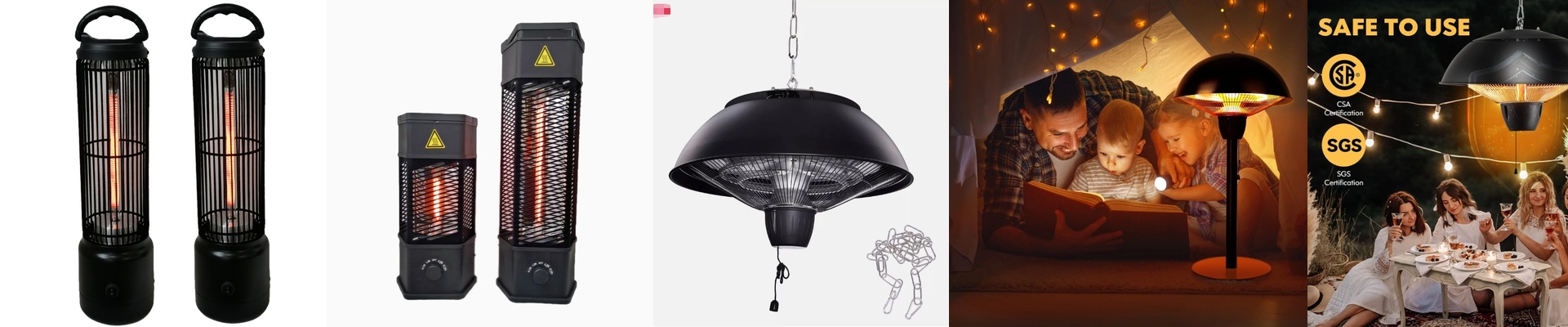
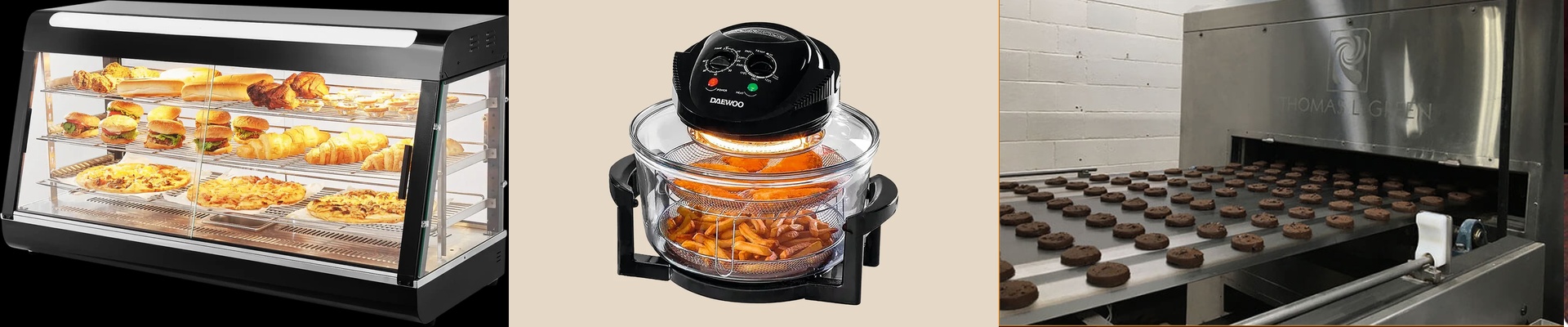
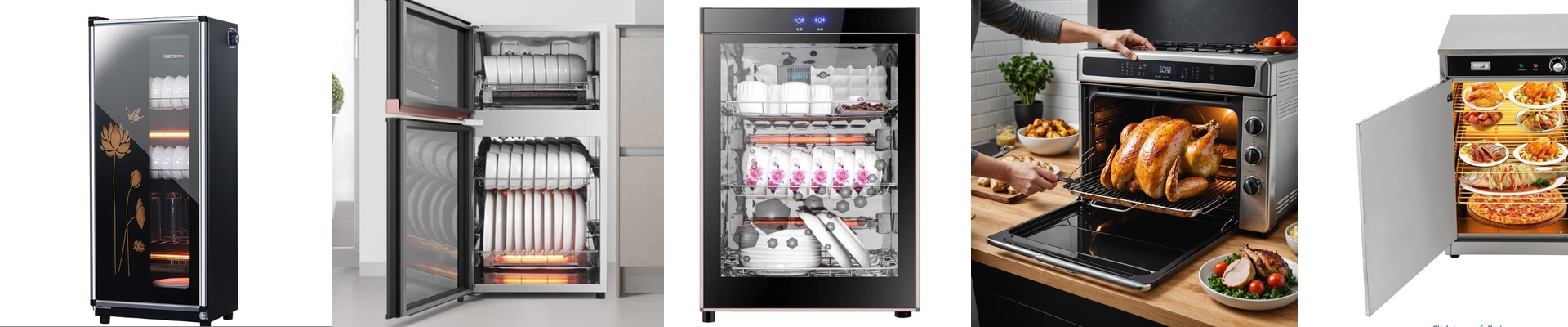
If you’ve ever spent too much time staring into an oven, you know the struggle. You’re looking for that exact moment when the food turns a deep, golden brown—that perfect Maillard reaction—but it happens in a heartbeat. One second it’s perfect; the next, it’s burnt. That’s why we stopped messing around with standard coils and switched to high-density quartz heating tubes in our stainless steel convection ovens. It’s all about timing.
Why Quartz Actually Works
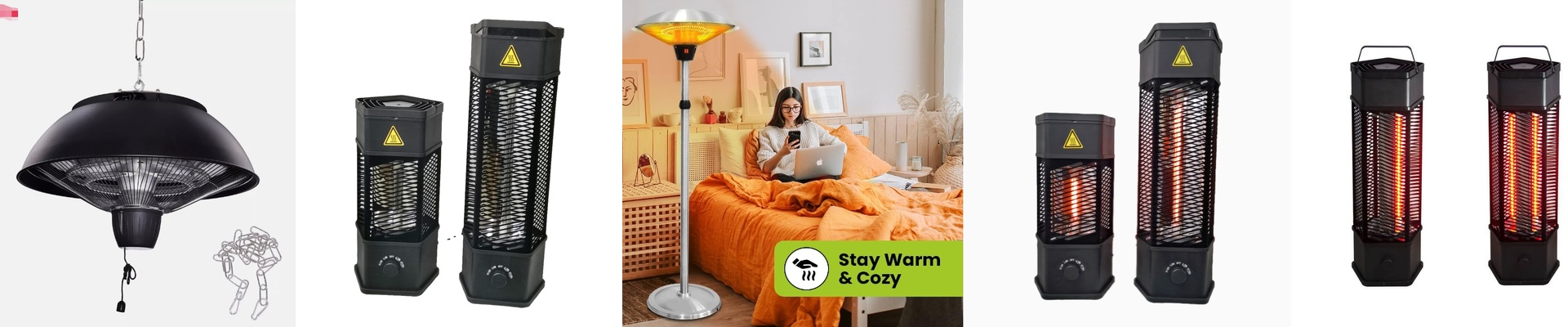
Here is the thing about traditional metallic coils: they spend a lot of time just heating up the air around them. It’s slow. Quartz is different. It shoots infrared radiation directly onto the food. There’s almost no lag. When the thermostat says “go,” the heat hits the surface immediately. This means you can hit those precise caramelization points without accidentally overshooting and ruining your batch. It’s fast. Really fast. And that makes a massive difference when you’re chasing a specific texture.
The Setup
We wrap these elements in 304 or 316 stainless steel. It isn’t just for looks. The steel actually bounces that infrared energy back toward the center of the oven, so the heat feels more uniform. And the glass itself? It’s tough. You can jump from room temperature to 250°C in a few seconds and the tubes won’t crack. It just handles the shock.
The Trade-offs (The Honest Part)
Nothing is perfect. Because these tubes pack such a punch, they put a lot of stress on your control relays. If you’re running these machines at full tilt for 12 hours a day, don’t cheap out on the wiring. You’ll need heavy-duty Solid State Relays (SSRs). If you use thin insulation or budget wiring, the heat bleed from the tubes will chew right through it. It’s better to spend a little more now than to deal with a burnout mid-shift.
Keeping Things Running
We made these as drop-in replacements. If one burns out, you can swap it out without having to tear apart the whole oven rack. Simple. One tip: keep the quartz clean. If grease or oil splatters onto the tube, it creates “hot spots.” Those spots are what eventually cause the glass to fail. Keep them wiped down, and they’ll last a long time.