
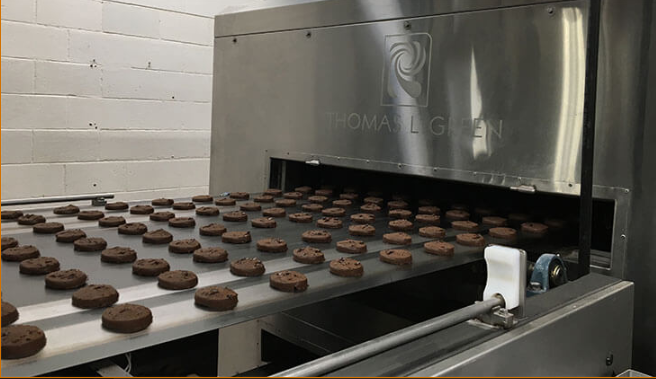
Why Ceramic Elements Change the Way We Heat
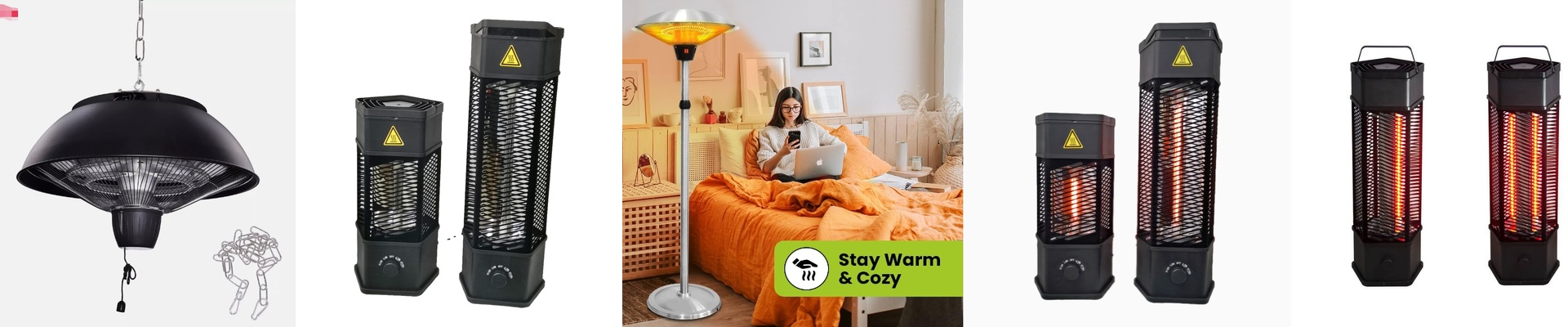
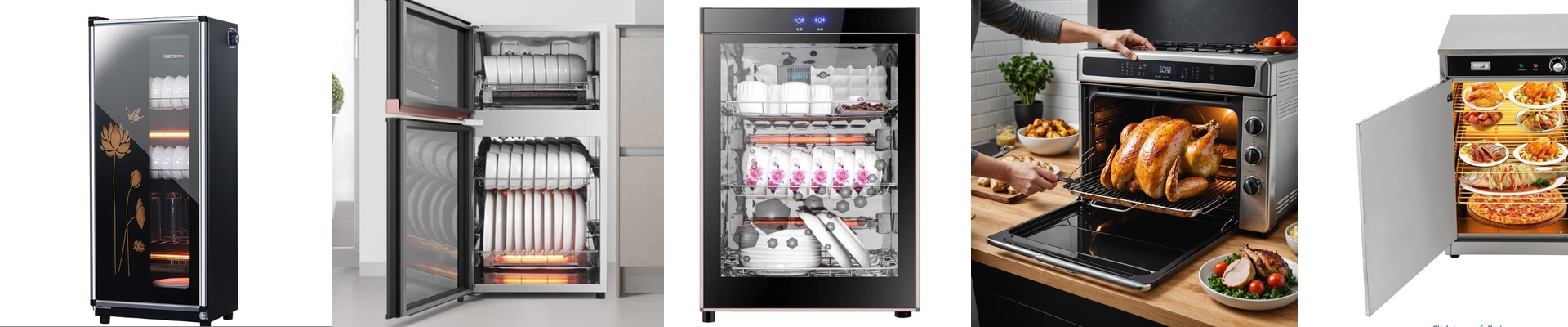
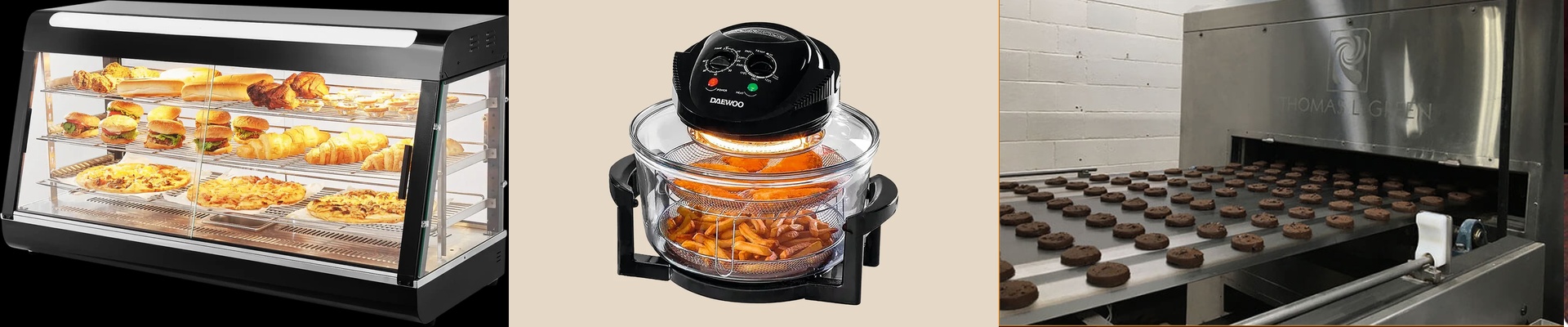
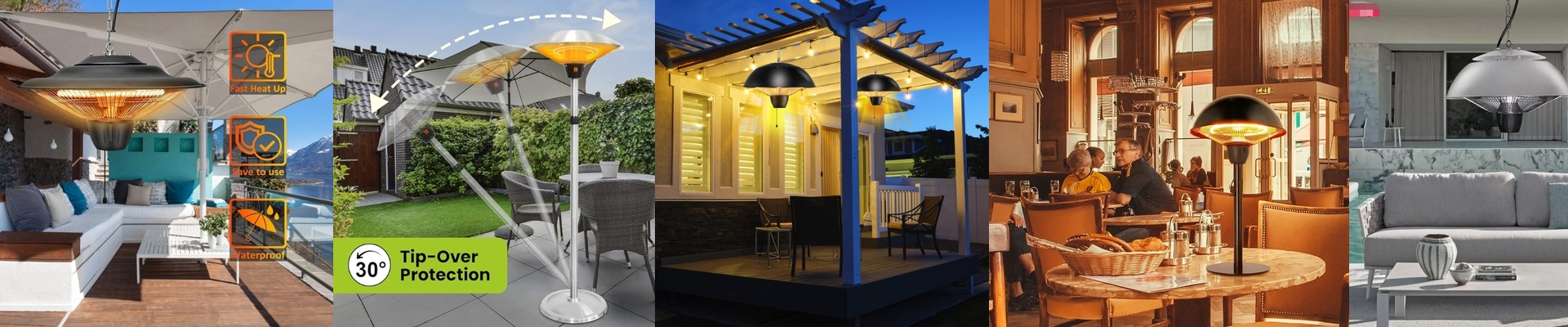
Most heating elements are slow. You turn them on, go grab a coffee, and maybe come back in a few minutes to find they’ve finally reached temp. It’s a drag. We decided to ditch that. By using high-density ceramic elements, we’ve cut that wait time down to almost nothing. We’re talking 300°C in a matter of seconds. It completely changes the way you bake—instead of just letting things soak in steady heat, you can use precision pulses. The secret is in the physics. Because the ceramic substrate has such a low thermal mass and high surface wattage, it reacts instantly. You get a two-pronged attack: immediate infrared radiation hitting the food, while the convection fan pushes hot air into the center. It’s the best of both worlds. You get that perfect, crisp crust on the outside without accidentally drying out the middle. Built to take a beating. Here’s the thing about cheap elements: they crack. When you jump from room temperature to 300°C over and over again, the material just gives up. Our ceramic composite is different. It handles that thermal shock like a pro. Plus, it’s designed for high emissivity, which is just a fancy way of saying it pushes the heat into the oven where it belongs, rather than trapping it in the housing. A few things to keep in mind. Getting these into a convection system is pretty easy, but you have to be careful with your PID tuning. Since the heat kicks in so fast, a sloppy controller will cause the temperature to overshoot wildly. You’ll definitely want a fast-acting SSR (Solid State Relay) to keep those power cycles under control. And one last tip: watch your airflow. High heat density is powerful, but if your fans aren’t balanced, you’ll end up with hot spots that can actually warp your oven chassis. Just make sure your fan CFM matches the wattage of your ceramic array. Keep the air moving, and the heat stays uniform across the whole rack.